









Autonomous robot or conventional scrubber-dryer: how to choose?
Autonomy describes how a machine moves and carries out its mission. On its own it says nothing about which cleaning functions are available. To compare two solutions, start from an equivalent task and an equivalent expected result.
The initial misunderstanding
Three ideas that should not be confused.
“Robot” and “scrubber-dryer” answer different questions: one describes a mode of travel, the other a cleaning function.
The cleaning task
Sweeping picks up dry soiling, vacuuming captures it, washing applies water and, depending on the machine, recovers it. These are three distinct operations, and a machine performs only those its spec sheet states.
Operator-driven travel
An operator-driven machine — ride-on or walk-behind scrubber-dryer — follows the decisions of the person driving it: it adapts immediately to a new area or to the unexpected.
Autonomous travel
An autonomous machine runs a route through an environment it knows, over an area defined in advance. Outside that area, or if the environment changes, it does not decide for you.
An autonomous robot may be a dry sweeper, a vacuum, a washer, or several of these at once. A dry sweeper and a scrubber-dryer are not interchangeable: they handle neither the same soiling nor the same floors. Always check the function before the mode of travel.
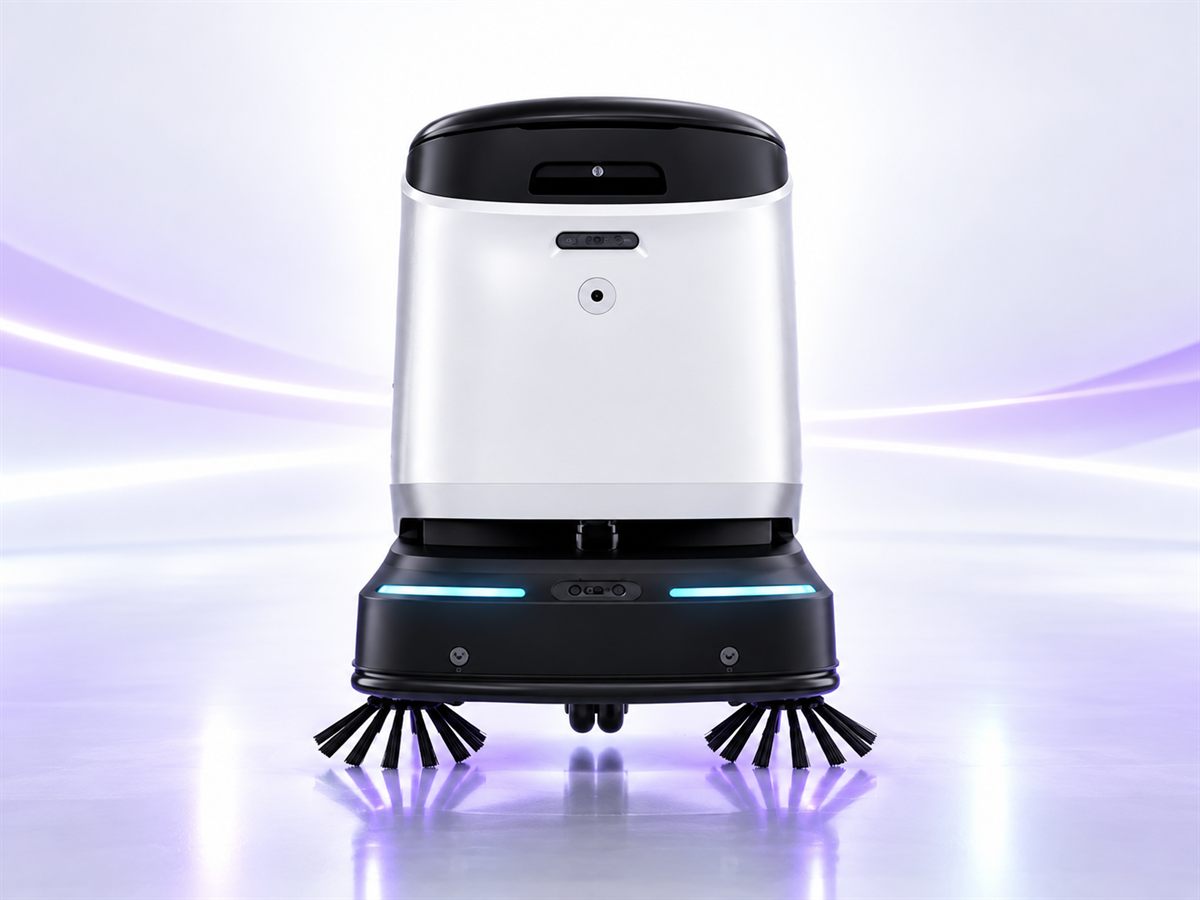
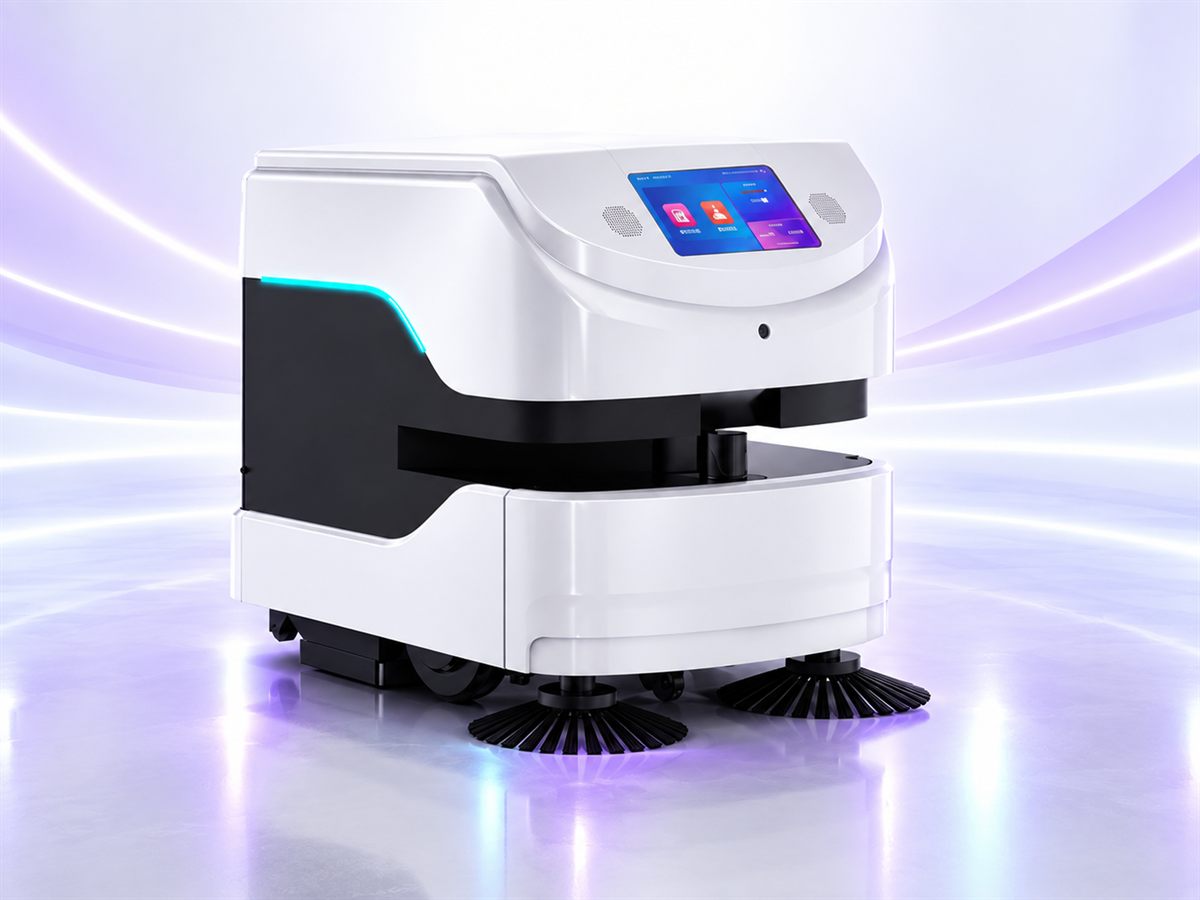
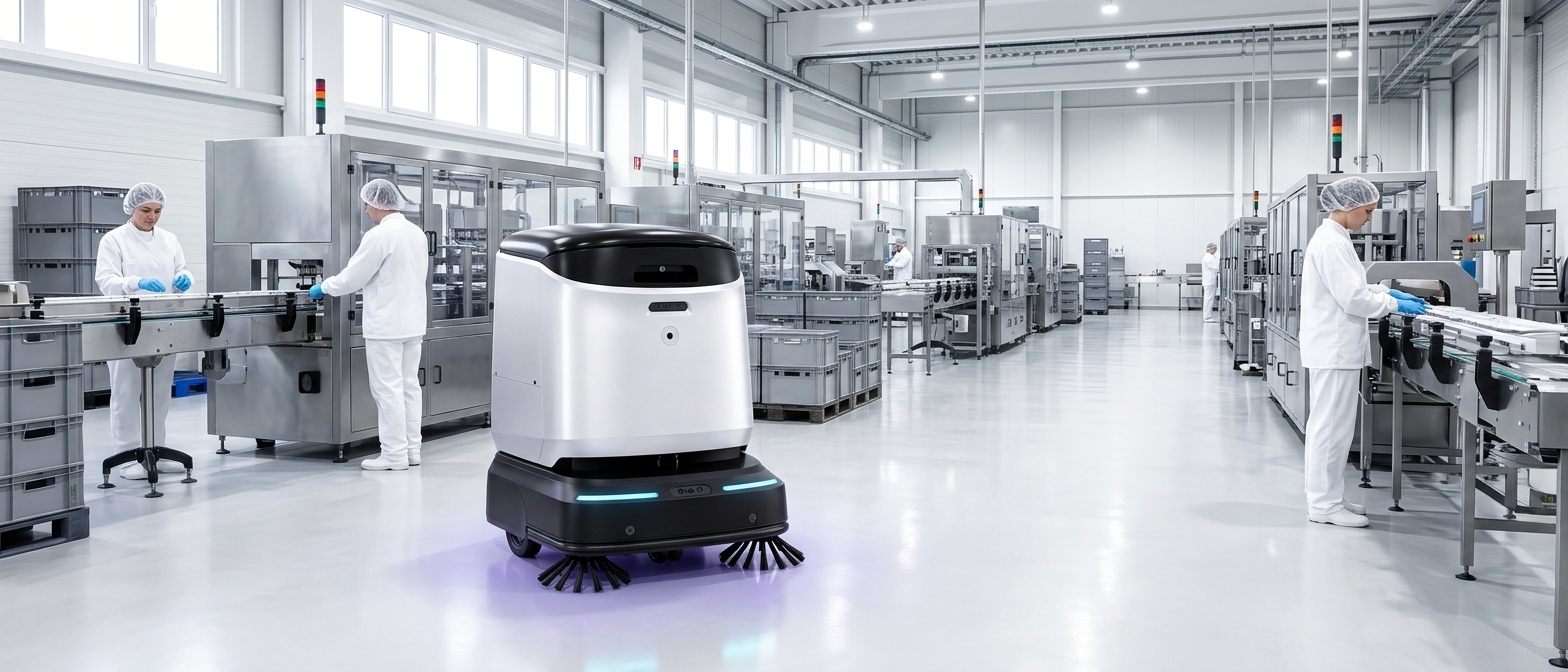
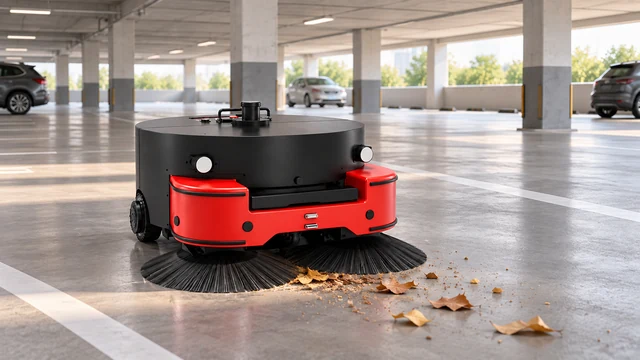
PURE ONE
Its spec sheet lists four dry functions: sweeping, scrubbing, vacuuming and dust removal. This robot is autonomous, and it does not do wet washing.
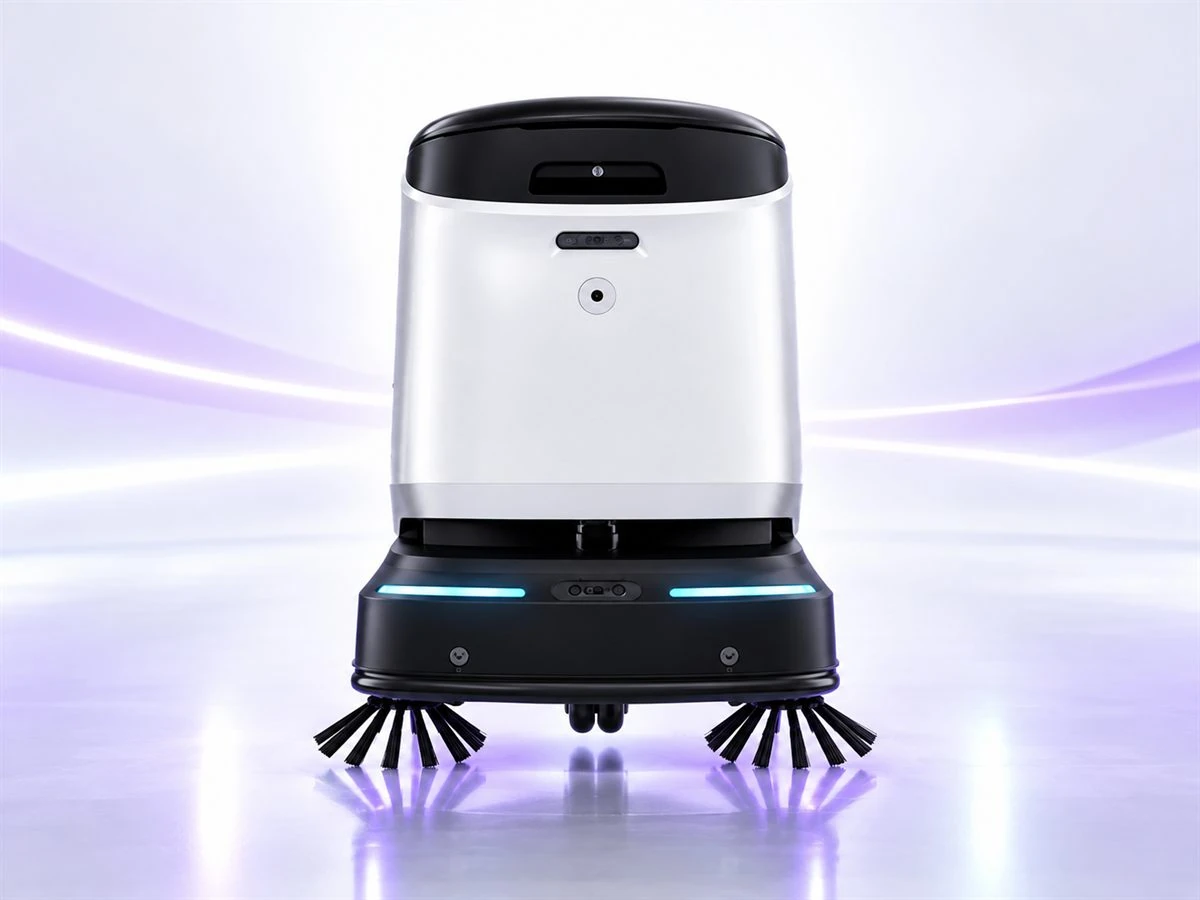
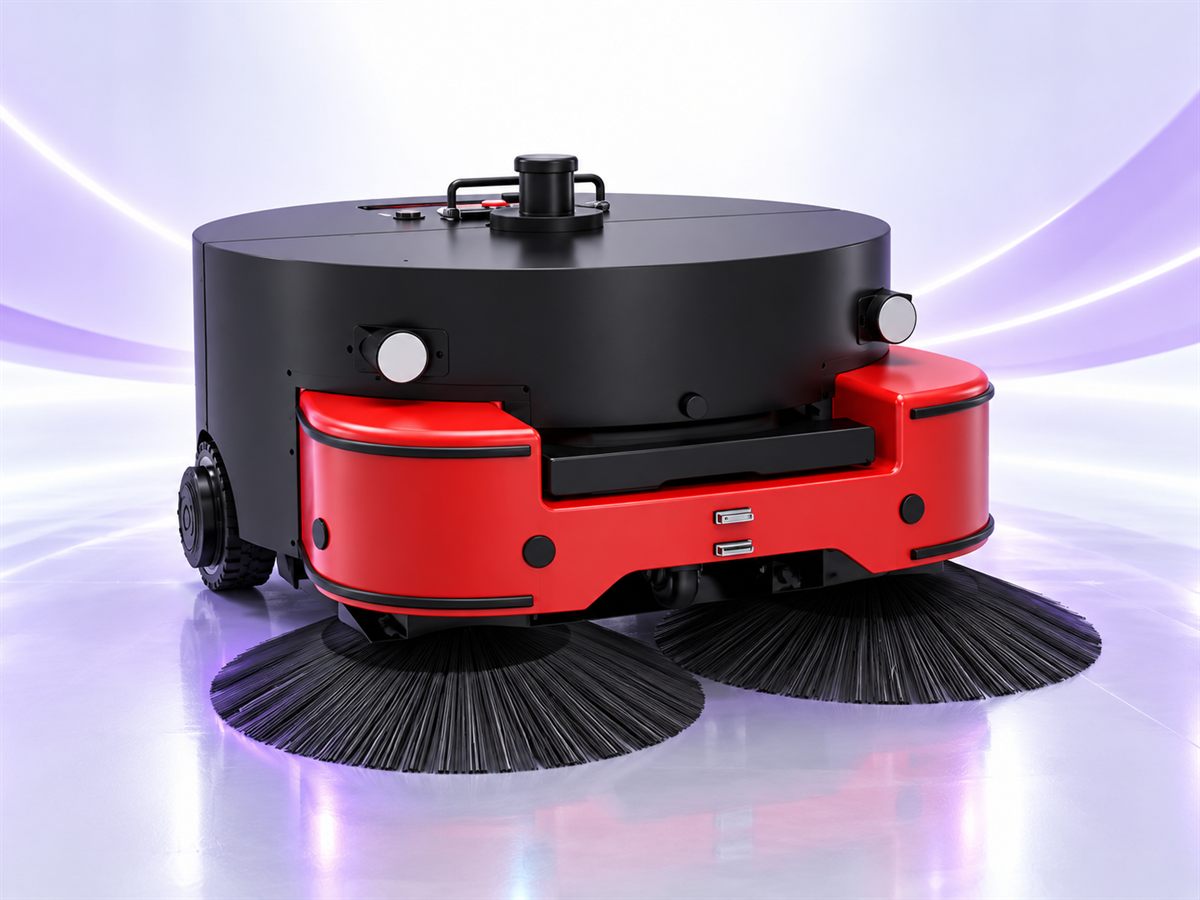
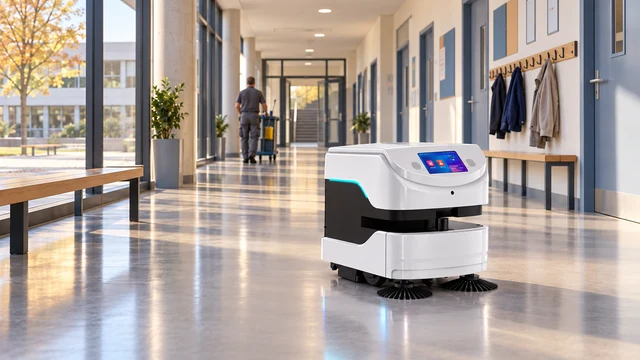
PURE SWEEP
A dry sweeper for large open areas: 890 mm sweeping width, 30 L hopper. Autonomous as well, and it does not wash either.
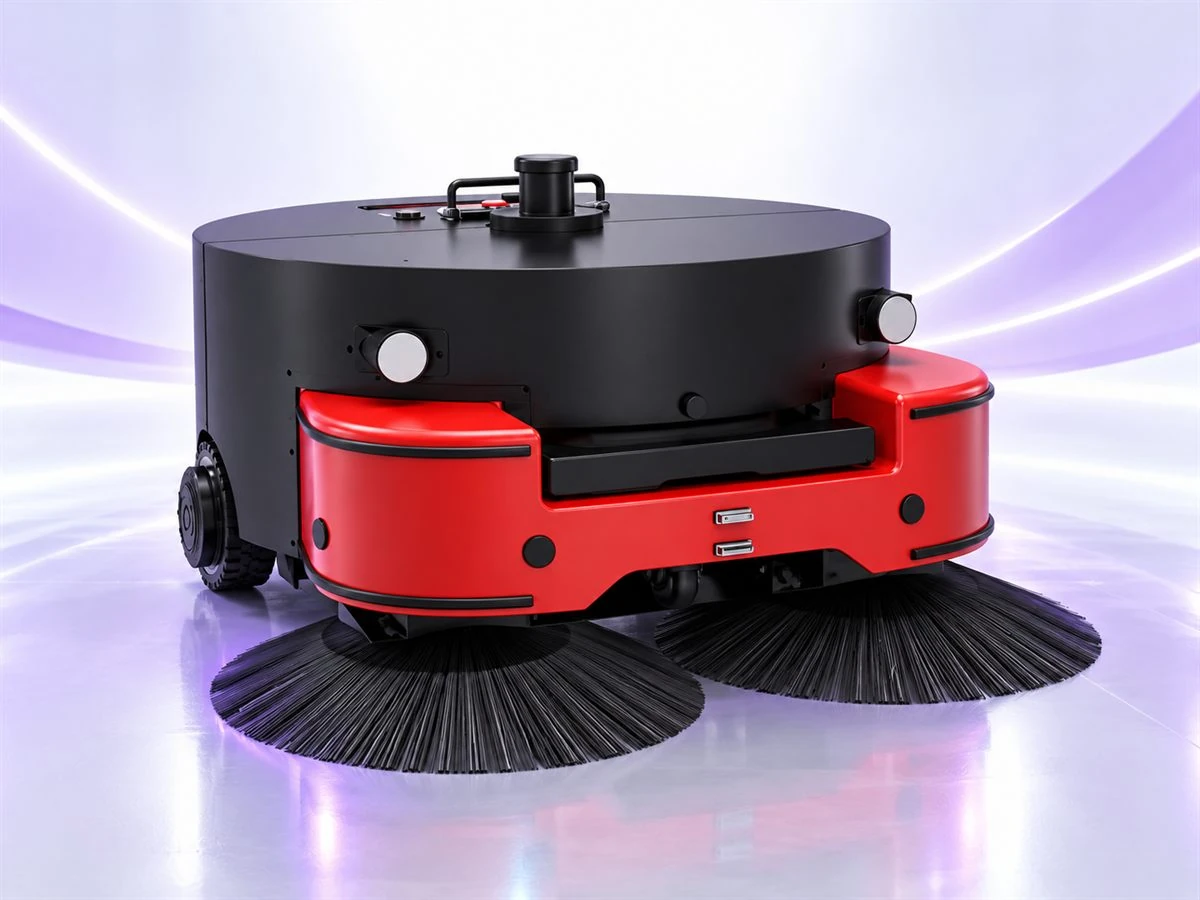
Other models in the range
Wet washing appears on the spec sheets of other models in the PURE range. It is at that level — the function — that a comparison with a scrubber-dryer becomes possible.
See the functions model by modelOn equal function
What really changes between the two approaches.
The table assumes the same task and the same expected standard of result. It names no winner: every row depends on your site.
Wide table: scroll it sideways to see all the columns.
| Criterion | Autonomous solution | Operator-driven machine | What that means for you |
|---|---|---|---|
| Route preparation | Mapping and setting up beforehand, zones defined once and then adjusted. | No technical preparation: the operator decides the route at the time. | Up-front work for the autonomous option, immediate flexibility for the driven machine. |
| Human presence during the work | The cycle runs without a driver, but intervention may still be needed: an obstacle, a blocked area, an incident. | The operator is present throughout. | The question is not “with or without a person” but how much human time, and for what. |
| Areas that change often | A stable environment gives the best results; frequent changes call for adjustments. | A change of layout is absorbed immediately by the operator. | The more your spaces move around, the more the driven option keeps its value. |
| Daily operations | Starting the cycle, emptying hoppers, routine upkeep per the manual, checking the result. | Preparing the equipment, filling and draining depending on the machine, cleaning it after use. | In both cases human time remains: it moves, it does not disappear. |
| Access constraints | Doorways, thresholds and changes of level determine what area can be reached; they are checked on site. | The operator crosses or goes around whatever is passable for the machine being driven. | A fragmented site reduces the automatable area before the question of model even arises. |
| Training | Getting to grips with daily use and with situations that need someone to step in. | Training in driving and maintaining the equipment, according to the applicable rules. | Two different sets of skills, to be planned for either way. |
| Up-front costs | Machine, commissioning, site configuration and training depending on the project. | Machine and training, without site configuration. | To be compared over the same scope, listing what each proposal includes. |
| Recurring costs | Remaining human time, consumables, upkeep, services taken out. | Driving time, consumables, equipment upkeep. | This is often where the gap is decided, not at the purchase price. |
No amounts appear in this table: costs depend on the equipment, the scope and the organisation. The method for putting them side by side is set out in the business case guide.
Assessment criteria
When automation is worth assessing.
These criteria open an assessment; they are no guarantee that a robot will suit your site.
Signs that an assessment is worthwhile
- A repetitive job, identical from one pass to the next
- Long runs over clear areas
- An environment that is stable from day to day
- An expected result that is defined and observable
- Time slots when the spaces are genuinely free
- A team available for the handover
The other side
When an operator-driven solution still makes complete sense.
A driven machine or manual work are not outdated solutions: over certain areas they are simply the right ones.
Tasks that change
When the area, the soiling or the priority varies with every pass, a human decision on the spot beats a programmed route.
Access not included
Stairs, cramped areas, permanently cluttered spaces: whatever is left out of the automated scope still has to be handled another way.
Finishing work
Edges, corners, touch points, washrooms, high surfaces: these are not the job of a floor robot.
Special situations
Unusual soiling, an urgent job, a temporarily sensitive area: these are handled case by case, on assessment.
A combination rather than a replacement
The most common scenario does not pit the two against each other: an automated scope for repetitive routes, the rest handled as it is today.
The equipment already in place
Nothing says you have to part with it. The question is which share of the work it still does best.
Method
Comparing two set-ups, not two machines.
An honest comparison sets out everything that has to be done, from preparation to checking the result.
Preparation time
Getting the equipment out, preparing the area, starting the cycle: this time exists in both cases, at different moments.
Running time
Driven, it ties up a person. Undriven, it ties up the space but not the person — provided the slot is free.
Interventions
Re-runs, obstacles, missed areas: to be observed on site rather than estimated on paper.
Upkeep and result
The time spent on upkeep after use and, above all, the standard of cleanliness achieved: without a comparable result, the comparison has no object.
Does a robot necessarily wash the floor?
No. The word “robot” refers to the mode of travel, not the function. In the PURE range some models sweep, scrub or vacuum without washing; others list wet washing on their spec sheet. Check the “functions” line of the model concerned before comparing it with a scrubber-dryer.
Do you have to get rid of existing equipment?
Nothing requires it. An automation project covers a defined area, not a whole site. Driven equipment keeps its value for the areas left out, for finishing work and for special situations.
Can several methods be combined?
That is in fact the most common case: a repetitive route given to an autonomous machine, the rest handled as it is today. It means clearly setting out zones, hours and who is responsible for what.
How much human time still has to be planned for?
At the very least: starting and following cycles, the routine upkeep steps set out in the manual, stepping in when an obstacle blocks a route, checking the result and all the tasks that remain manual. This time is measured on site; it is neither nil nor the same from one building to the next.
How should the costs of the two approaches be compared?
Over the same scope and the same period, adding up for each scenario the up-front and recurring costs, human time included. The detailed method is set out in the business case guide, and what a quote contains in the cost page.
Set-up review
Let’s start from what you do today.
Describe the task, the spaces and how things work today. We look with you at what would gain from automation, and what would not.
- Business activity
- Task concerned
- Current set-up
- Accessible floor area
- Floor type
- Expected result
- Phone
- +33 5 33 04 12 27
- contact@aenix.fr
- Coverage
- Across France