









Which cleaning robot should you choose for your site?
The right choice depends first on the work to be done. This comparison helps you tell the uses of the PURE range apart and know what to check in your own building.
The table
Six models, six uses.
Each row repeats what is on the matching product page, and adds nothing.
Wide table: scroll it sideways to see all the columns.
| Model | Main use | Functions listed on the spec sheet | Documented minimum clearance | Environments mentioned | To check at your site |
|---|---|---|---|---|---|
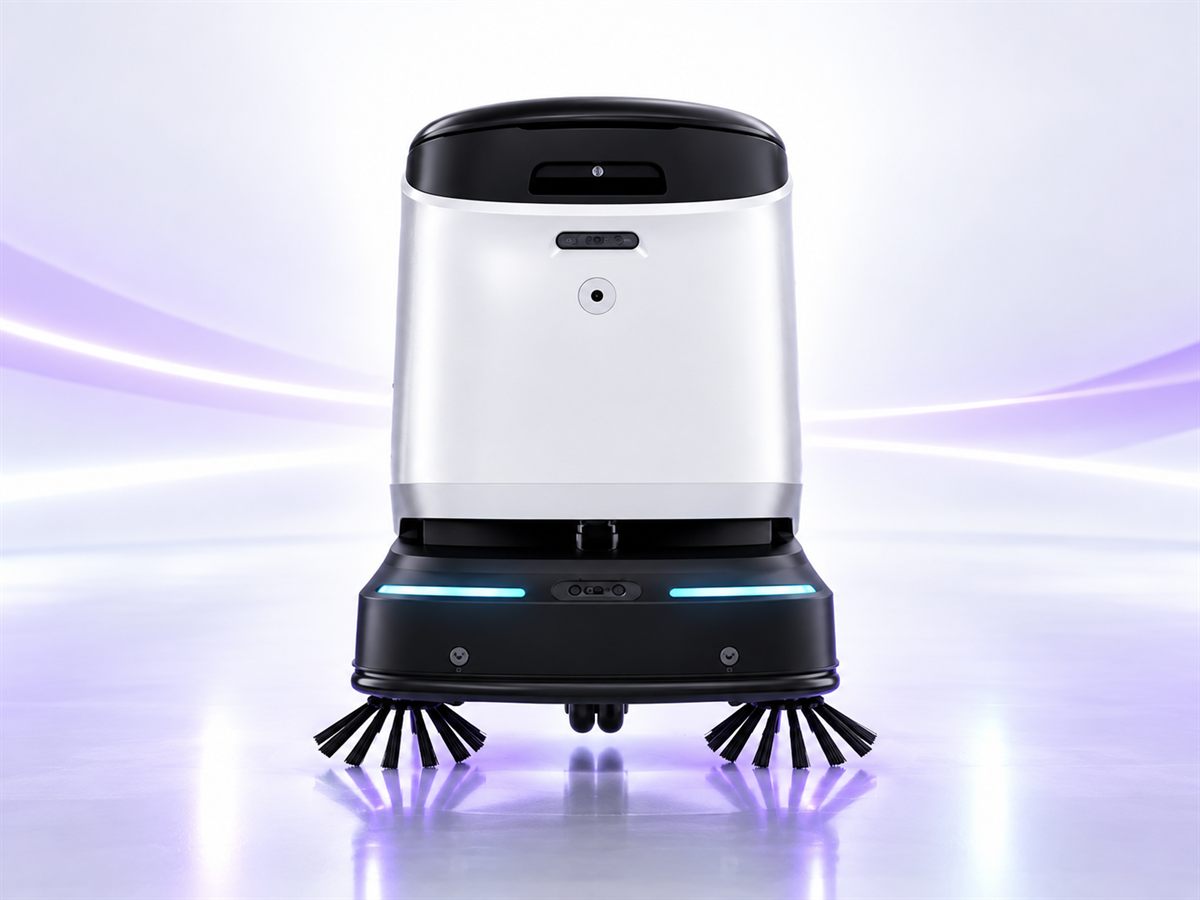
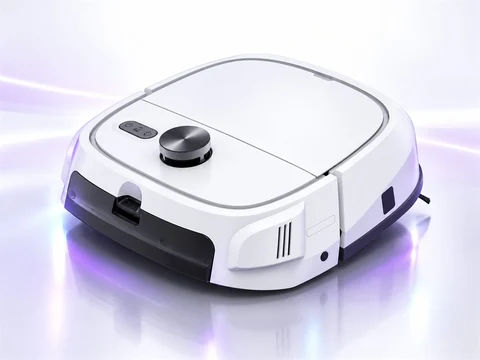 PURE NANOProduct page |
Maintaining small, cluttered areas. | Sweeping, vacuuming, washing. | 400 mm in a straight line, 450 mm to turn. | Compact professional spaces, dense furniture. | The area genuinely accessible, low obstacles, thresholds. |
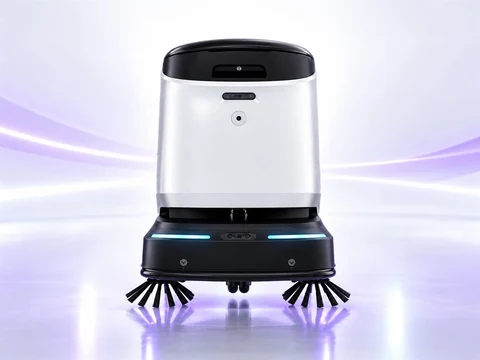 PURE ONEProduct page |
Dry maintenance of retail and office areas. | Sweeping, scrubbing, vacuuming, dust removal. | 700 mm in a straight line. | Retail, hotel and office spaces. | Width of doorways, areas to exclude, charging location. |
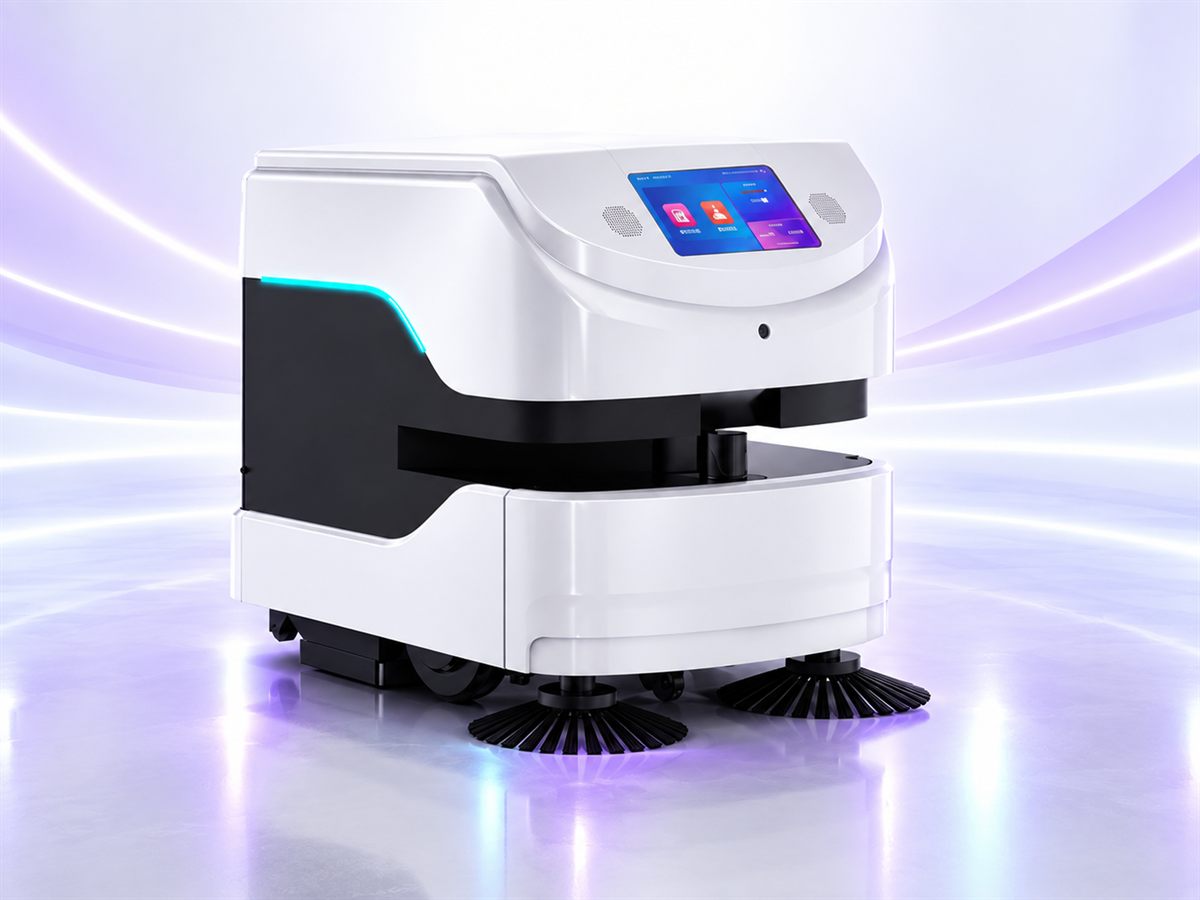
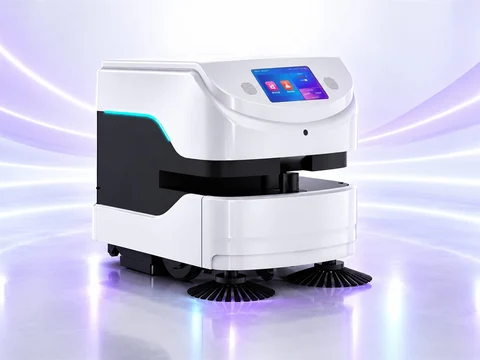 PURE ONE LITEProduct page |
Treating mid-sized areas, wet washing included. | Sweeping, vacuuming, wet washing. | 900 mm. | Lobbies, corridors, open-plan offices, mid-sized sales floors. | Whether the floor takes wet washing, water filling by the site’s teams, width of doorways. |
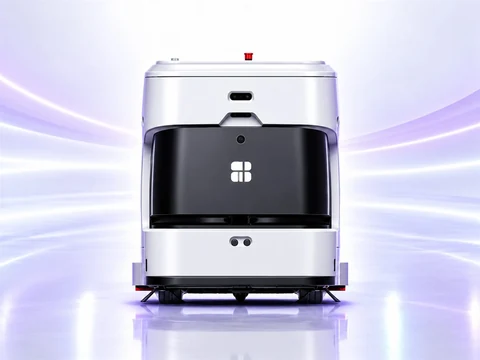 PURE QUIETProduct page |
Working where noise is part of the service. | Sweeping, scrubbing, vacuuming, dry sweeping, wet washing. | 800 mm. | Care homes, hotels, offices, shops. The spec sheet states that it is not suited to industrial environments. | When it runs, the floors concerned, any carpet. |
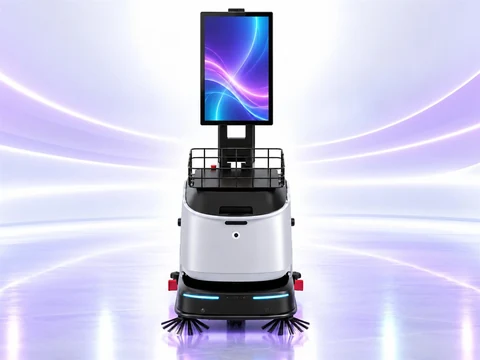 PURE ONE ADVERTISINGProduct page |
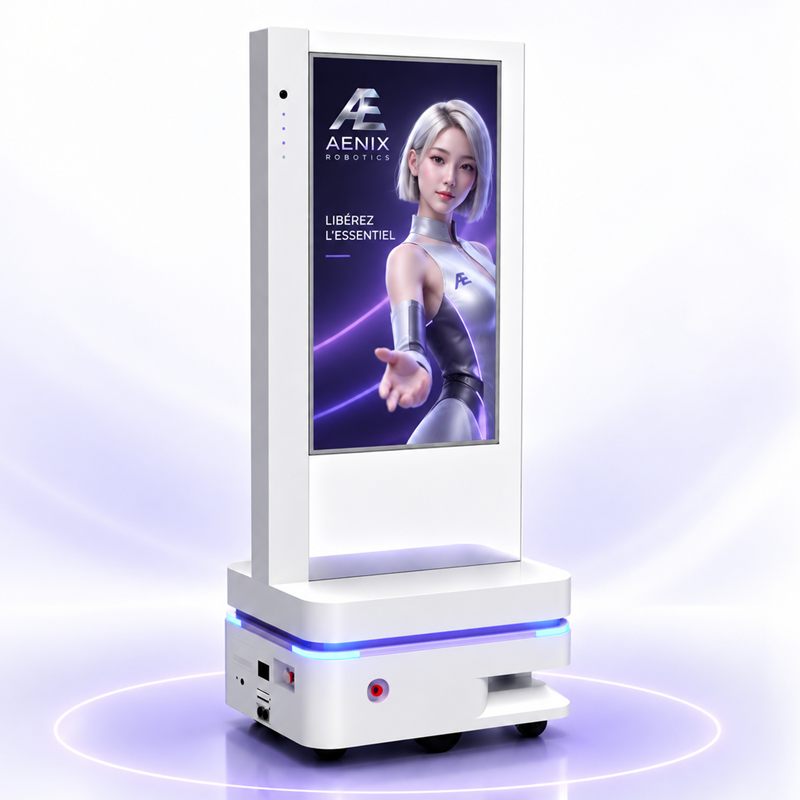
Pairing a display with the cleaning robot’s movements. | A screen add-on for the PURE ONE robot: the cleaning functions remain those of that robot. | See the PURE ONE product page, whose base it uses. | Busy areas where the screen reaches an audience. | Content to display and who updates it; the cleaning scope is unchanged. |
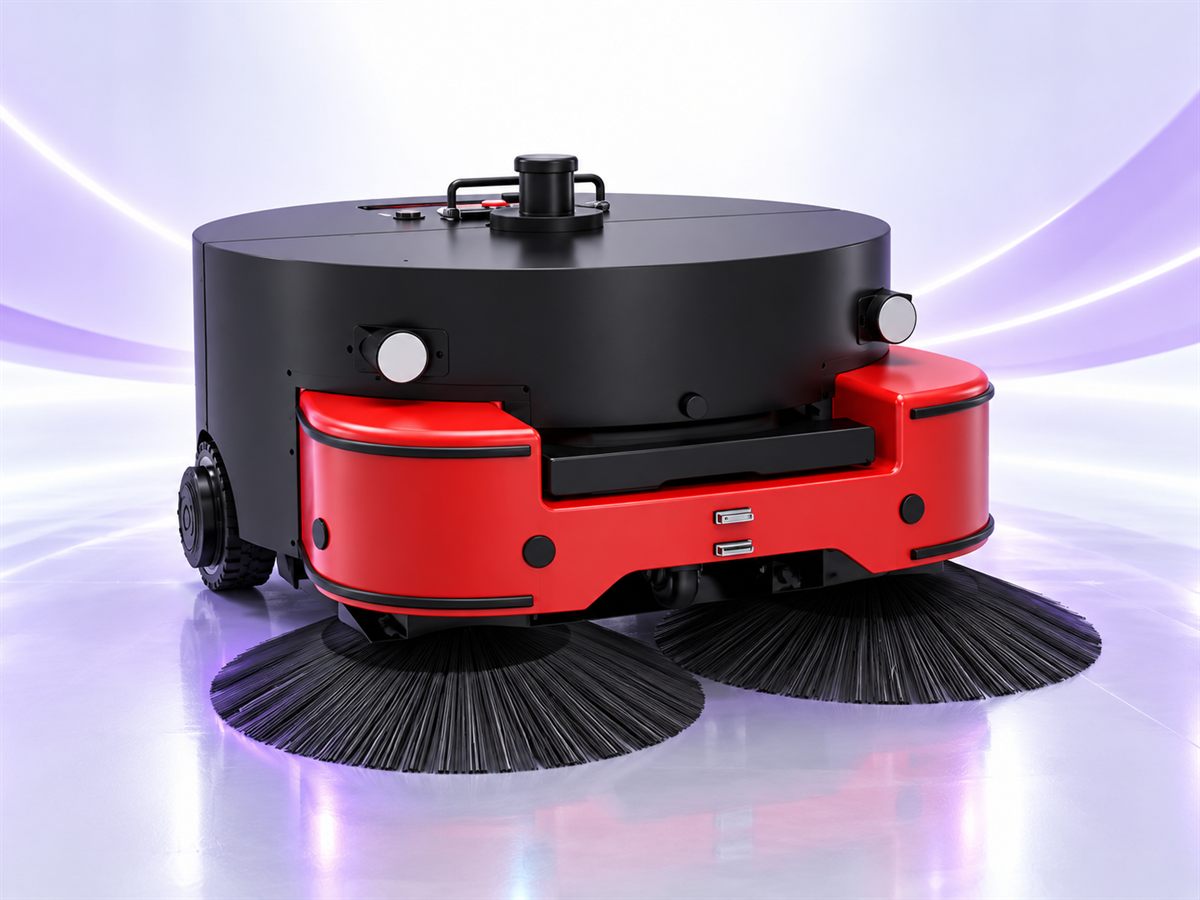
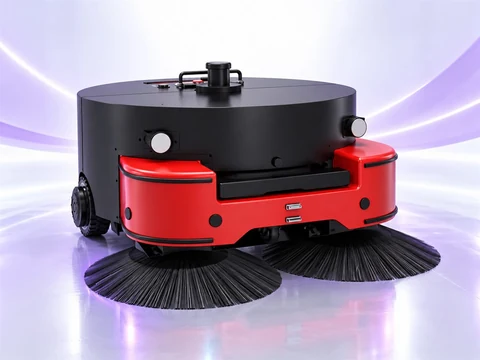 PURE SWEEPProduct page |
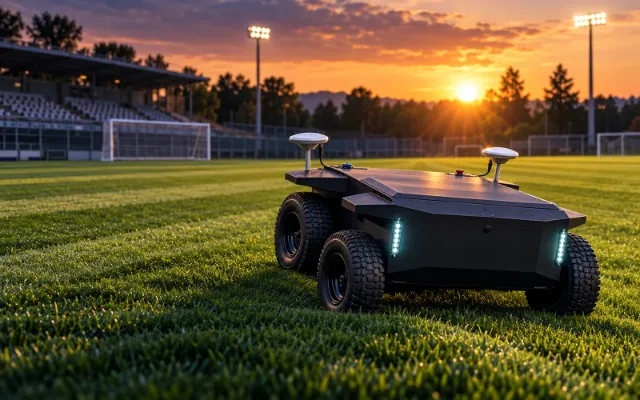
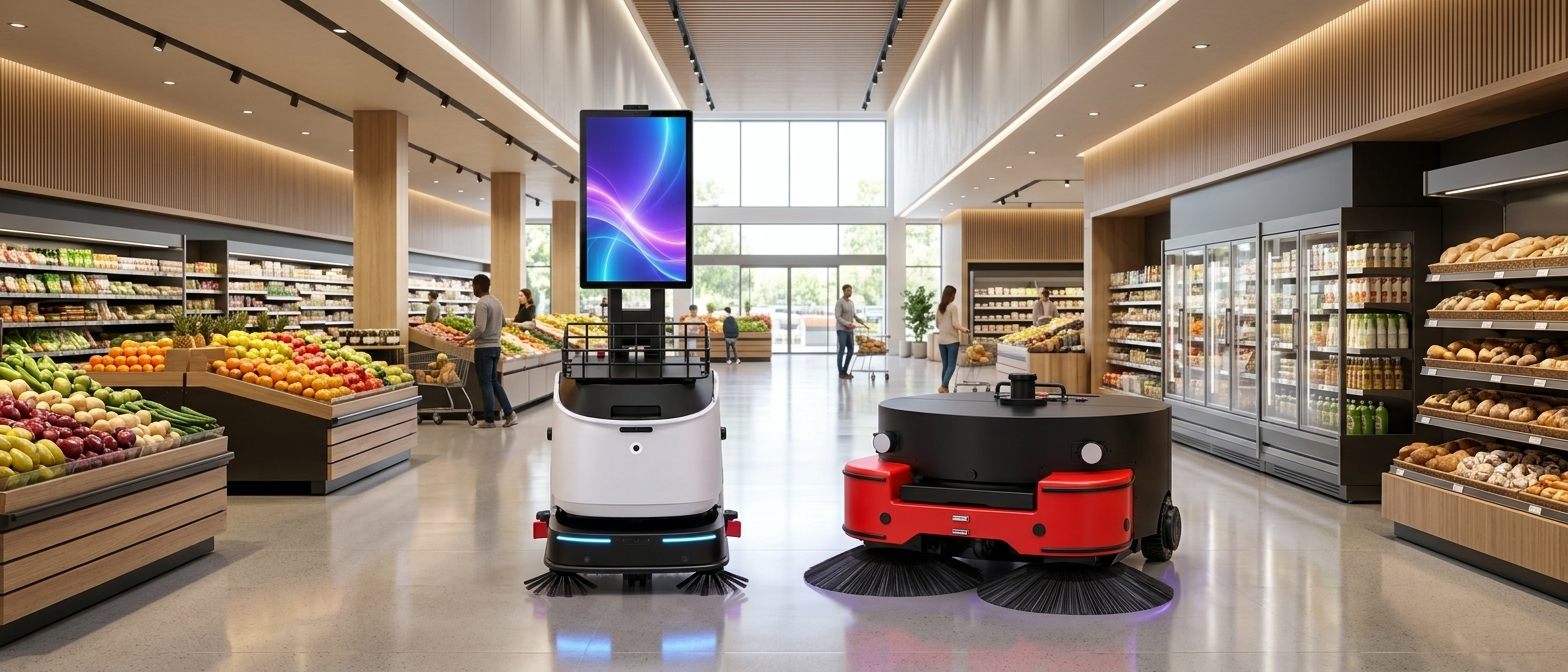
Picking up dust and dry debris over large open areas. | Dry sweeping. 890 mm sweeping width, 30 L hopper. | Not documented on the spec sheet. | Industrial and logistics environments, wide aisles. | How cluttered the aisles are, the type of debris, the traffic plan. |
The throughput figures on the spec sheets are measured in working modes and at speeds that differ from one model to the next: they are not comparable as they stand and therefore do not appear in this table. No comparative test has been run between these machines. The detailed figures remain available on each product page.
The task first
Start with the work to be done.
Sweeping, vacuuming and washing are three different operations. None of them is disinfection: a robot carries out mechanical cleaning over the area it is given.
Picking up dry debris
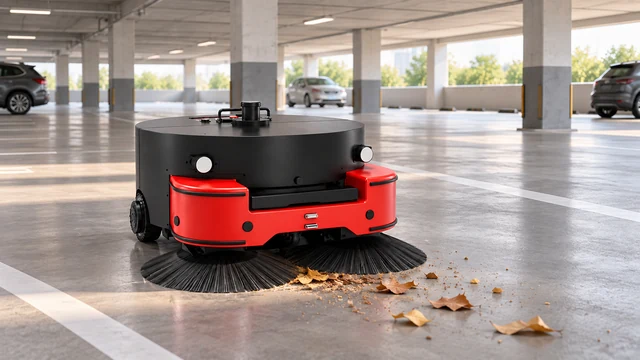
Dust, grit, pieces of cardboard over large open areas: that is the domain of dry sweeping, with a hopper to empty.
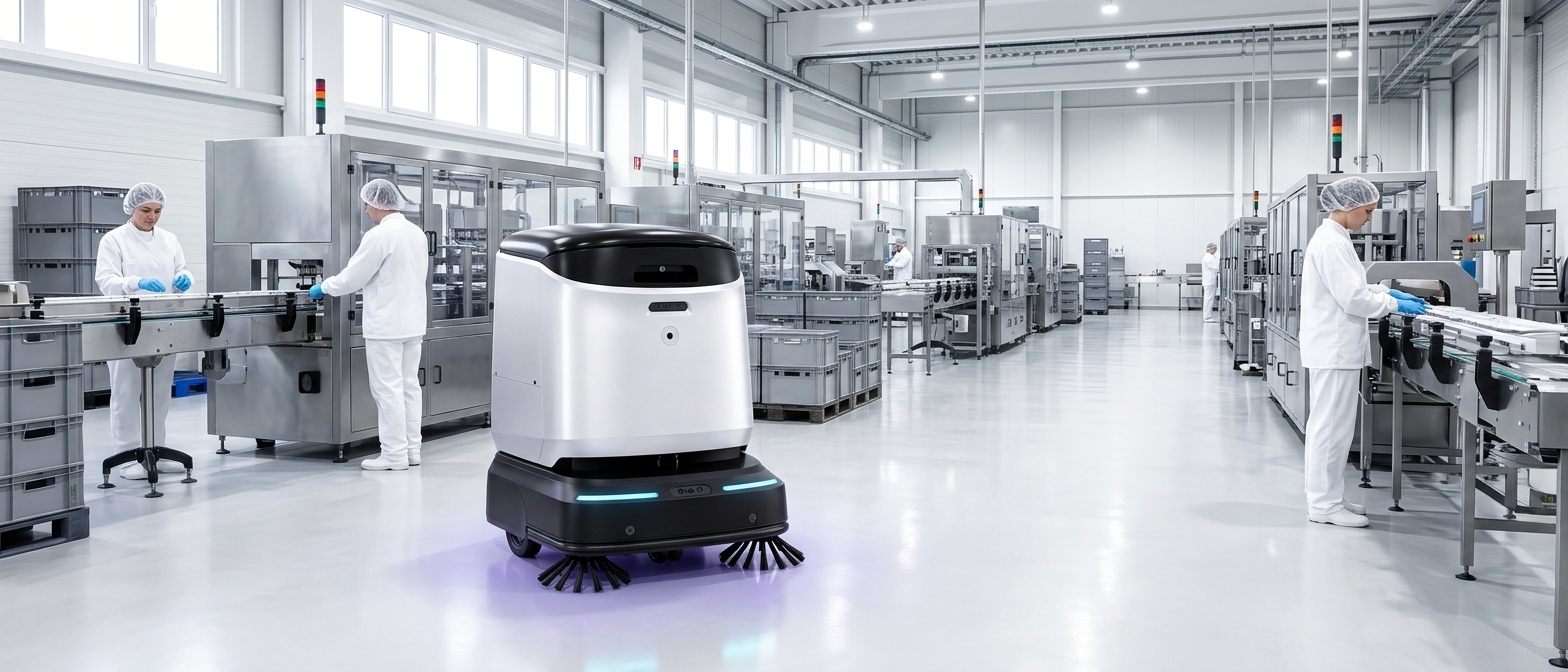
See PURE SWEEPMaintaining a suitable floor
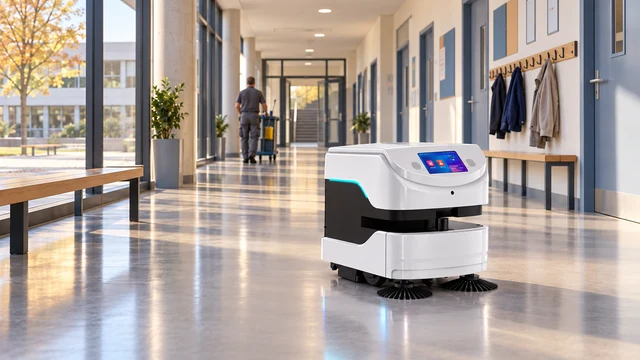
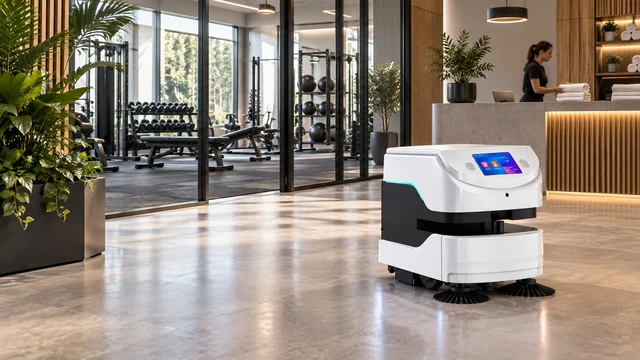
Depending on the model, routine maintenance combines sweeping, scrubbing, vacuuming or wet washing. Not all of these functions coexist on every machine, and washing assumes a floor that takes it.
Review the functions model by modelPairing a display with the robot’s rounds
If the robot already travels through a busy space, the screen add-on shows your content as it goes. The cleaning done is still that of the PURE ONE robot.
See PURE ONE ADVERTISINGThe site
Check the site before deciding.
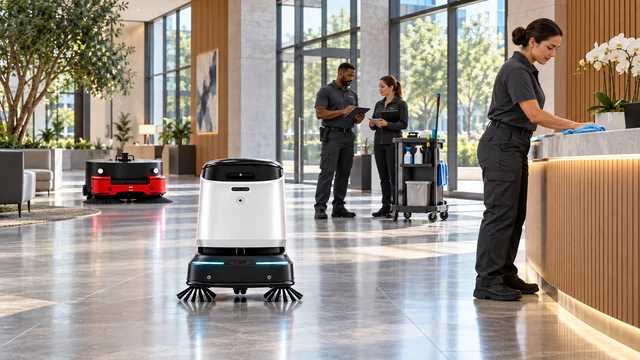
Two sites of the same size are not automated in the same way. These points are observed on site.
Points noted during the assessment
- The route genuinely accessible, not the total floor area
- Fixed obstacles and those that move around
- The areas excluded from the scope
- Thresholds, slopes and changes of level
- The charging location and how it is reached
- Daily upkeep: hoppers, filters, water, brushes
- Hours that work around footfall
- Who, in the organisation, will use the machine
Limits
What the spec sheet does not decide on its own.
Clutter
A clearance that is wide enough on the plan may no longer be once the furniture, pallets or display units are in place.
The organisation
Who starts the cycle, who empties the hopper, who fills the water, who raises the alarm: without answers, the best machine stays idle.
Footfall
Heavy footfall dictates precise hours and sometimes a smaller scope. It is often this, not the spec sheet, that decides the model.
These machines do not do the same work: ranking them from best to worst would make no sense. No comparative trial has been run between them, and we do not present a scored verdict that does not exist. This comparison is there to frame the discussion, not to replace it.
Going further
The logical next step.
What is the difference between sweeping and washing?
Sweeping picks up dust and dry debris with brushes; vacuuming completes that pick-up; wet washing applies water and, depending on the machine, recovers it. A machine that sweeps does not therefore wash, and a floor that takes sweeping does not necessarily take washing. None of these operations is disinfection.
How should the stated runtimes be compared?
Carefully: runtime depends on the working mode. The same robot states different durations depending on whether it sweeps, scrubs, vacuums or washes. Comparing two figures only makes sense if the mode and conditions are identical — which is why this table does not put them side by side. The figures are on each spec sheet, with their mode.
Should you choose based on the site’s total floor area?
No. What counts is the area genuinely accessible and driveable: clear aisles, zones without permanent obstacles, spaces allowed at the planned times. A 3,000 m² site of which 600 m² can be driven is a 600 m² project.
Can several robots be combined?
It can be, where the areas and tasks differ — wide open aisles on one side, cluttered spaces on the other, for instance. It means organising each machine’s scope, hours and upkeep. Such a combination is assessed site by site; it is not a general rule.
Does the configurator give a definitive answer?
No. The configurator gives an indicative steer from six answers. The choice is confirmed after the actual spaces have been examined, and the assessment may conclude that an area is not suited to automation.
Site assessment
The table frames it, the site decides.
Tell us about your spaces and the task in mind. We check with you what is achievable, and what is not.
- Business activity
- Task considered
- Accessible floor area
- Floor type
- Doorways and thresholds
- Hours
- Phone
- +33 5 33 04 12 27
- contact@aenix.fr
- Coverage
- Across France