










Robotics in the service of cleaning contractors
Your teams work at sites with different constraints. ÆNIX helps you assess the tasks and spaces where a robotic solution can complement your organisation and your contracts.

Starting point
Start from the contract and the site.
A robot is not bolted onto a contract: it fits into an existing service, with its commitments and its end client.
The specification
What your contract commits to, zone by zone, how often and with what checks. That is the framework within which a machine can take a share of the work.
Floors and spaces
Coverings, areas genuinely accessible, clutter, thresholds: what is on the plan is not enough, it has to be seen on site.
Footfall
The slots when spaces are free often determine what can be automated, even more than the floor area.
The end client’s constraints
Access rules, sensitive areas, fixed hours, the presence of the public: they apply to the project and are discussed with them.
The finishing tasks
Edges, corners, washrooms, touch points, glazing, quality control: they stay with your teams and are part of the service.
What gets measured afterwards
The area the machine actually covers, the working time observed and the adjustments needed, once it is in service.
Split
Splitting the tasks, not replacing the teams.
The assessment marks out an automatable scope. Everything else stays with your staff — and that is what your client perceives as quality.
What a robot can take on
- Repetitive routes over clear, identified areas
- Sweeping or routine upkeep of a suitable floor, depending on the model
- Regular passes at defined times
- A stable scope, adjusted after observation
What stays with your teams
- Dense, cluttered areas, or ones a machine cannot reach
- Finishing work, edges, corners and touch points
- Washrooms, stairs and high surfaces
- Quality control and the relationship with the end client
- Daily upkeep of the machine and starting the cycles
This page presents no reduction in headcount as an outcome of the project. The scope given to a machine is set by the assessment, and part of the work will remain human.
The solutions
A solution to suit each job.
Your sites do not share the same constraints: nothing requires a single machine for your whole portfolio.

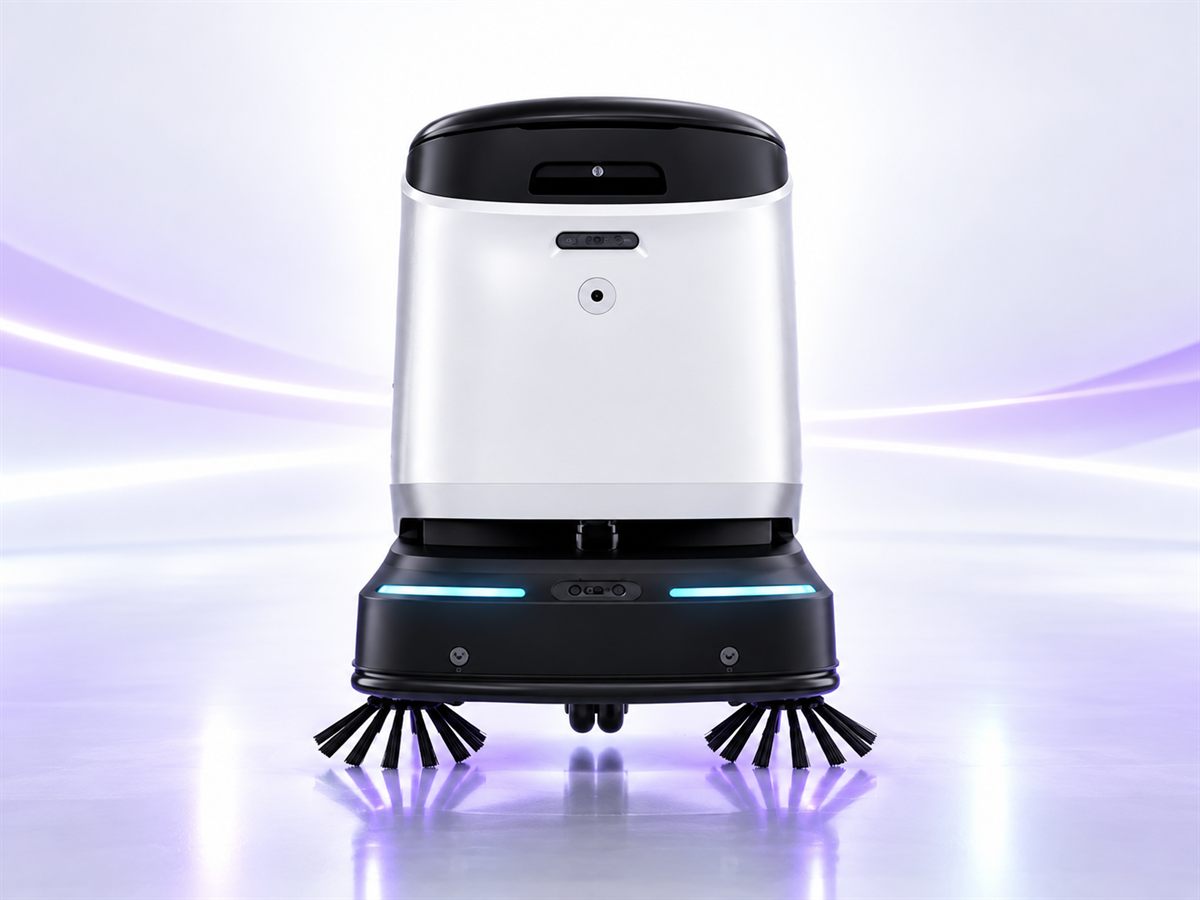
PURE NANO
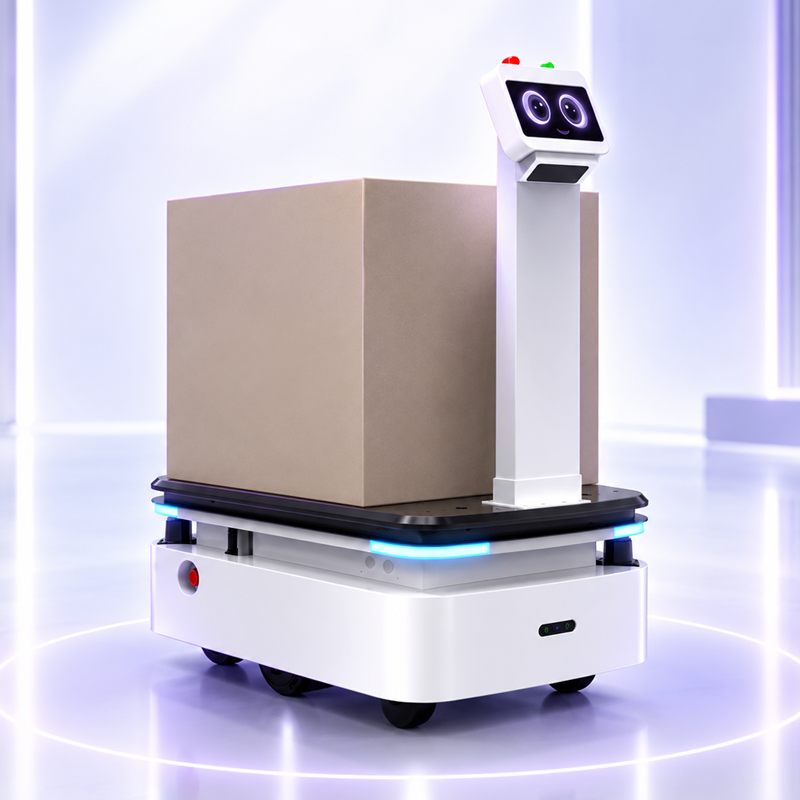
For sites where spaces are small and cluttered. Documented minimum clearance: 400 mm in a straight line.
Product page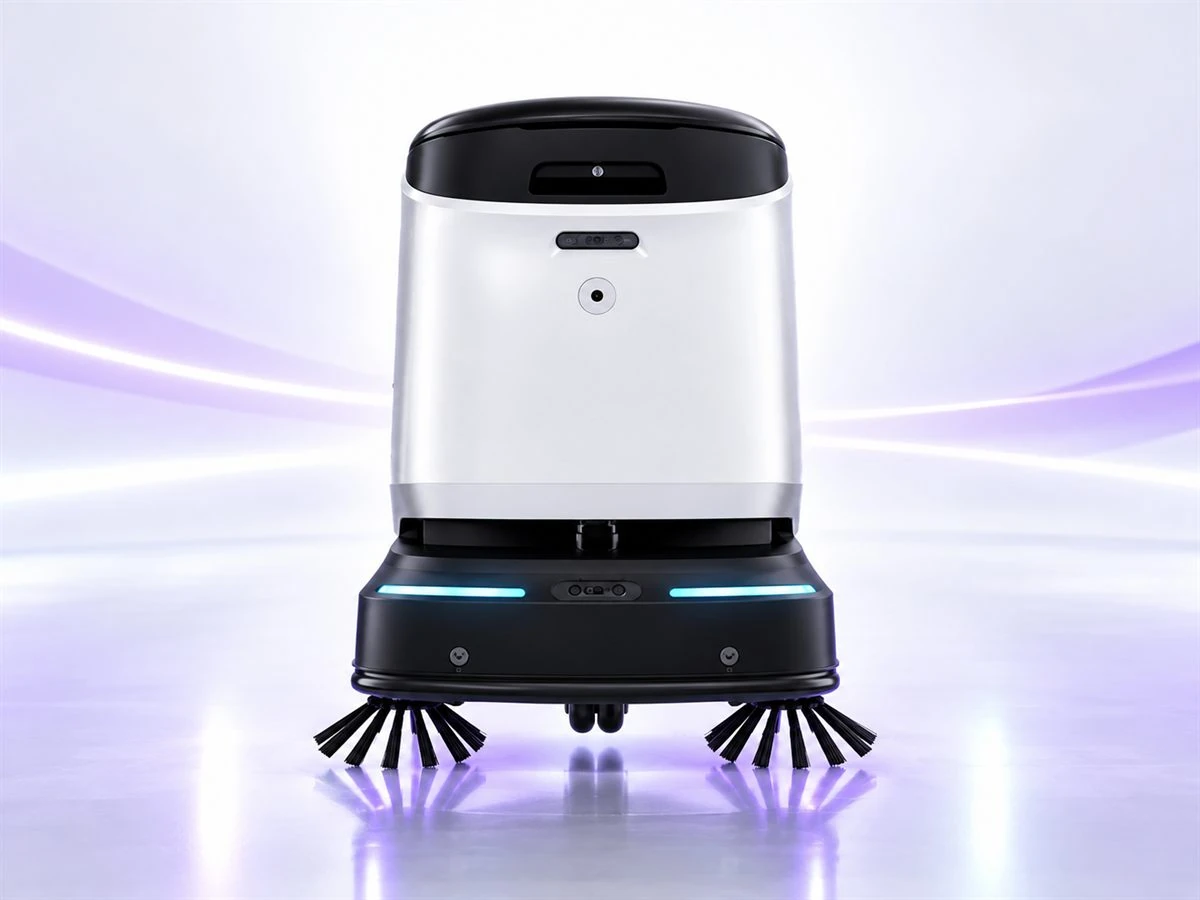
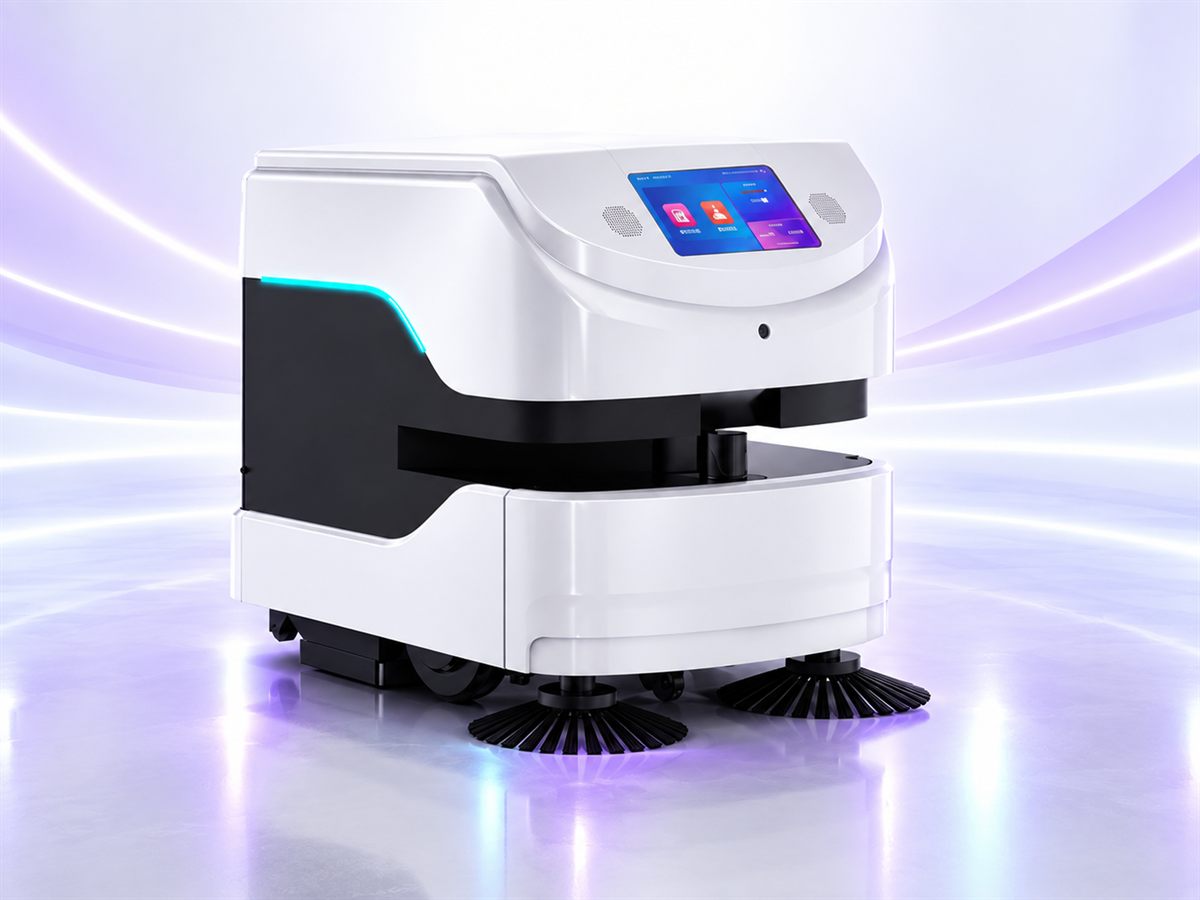
PURE ONE
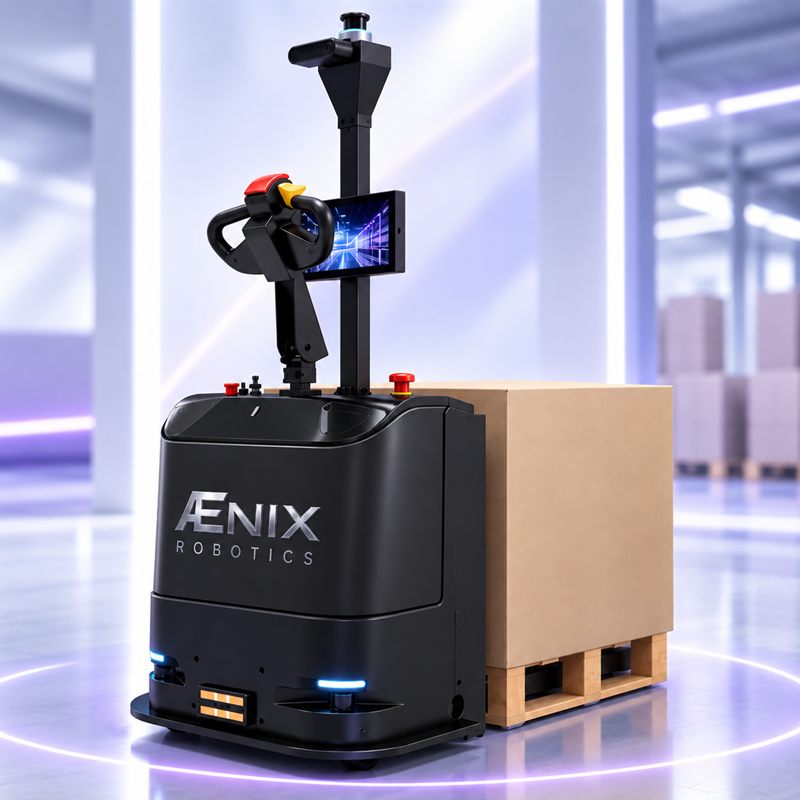
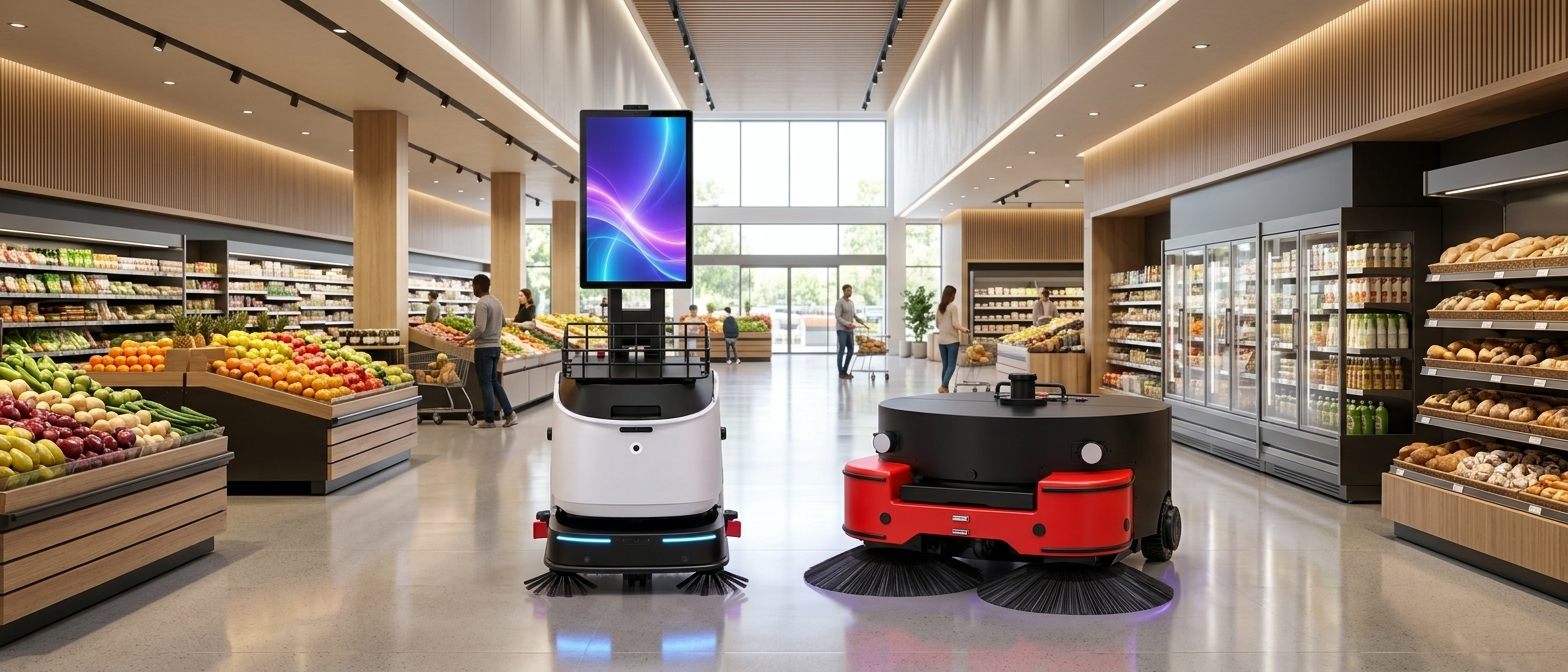
Dry upkeep of retail and office areas: sweeping, scrubbing, vacuuming, dust removal. Minimum clearance: 700 mm.
Product page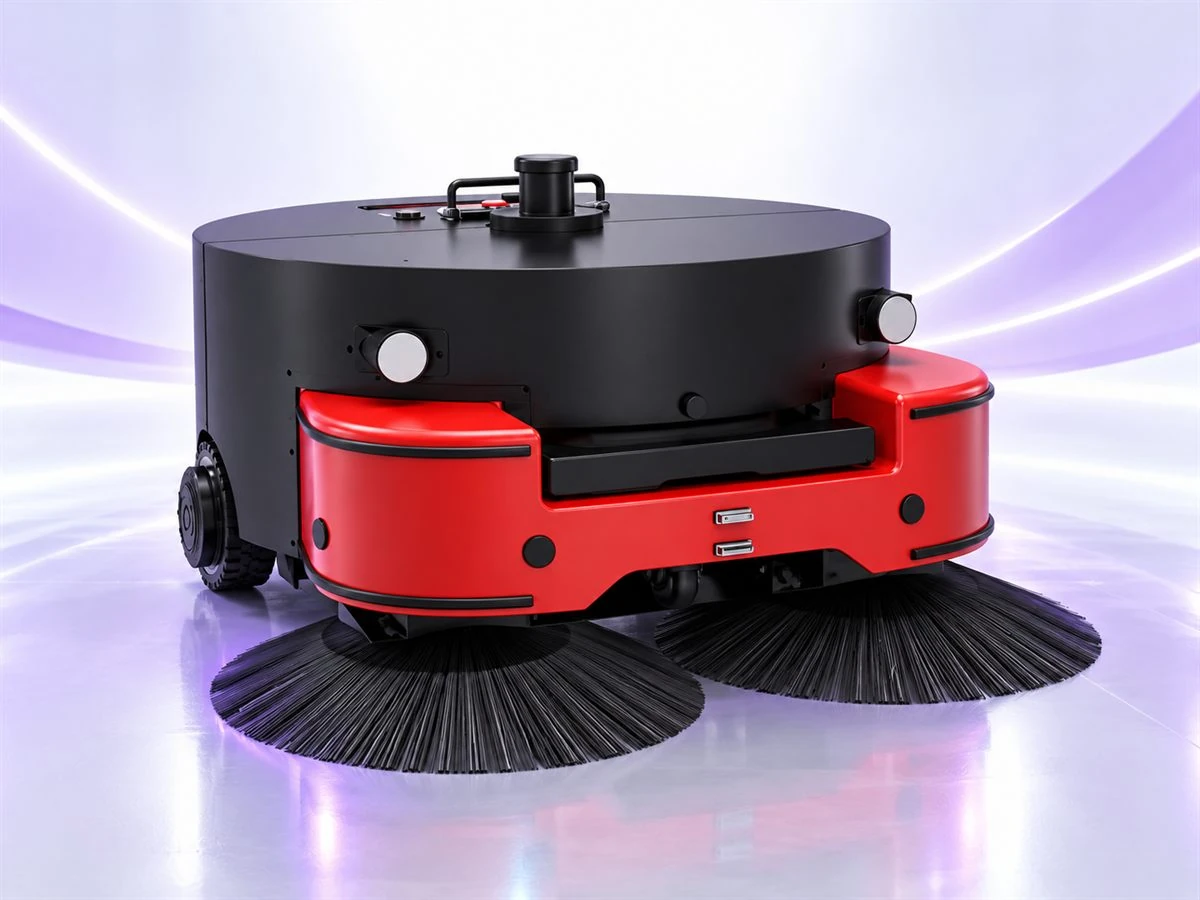
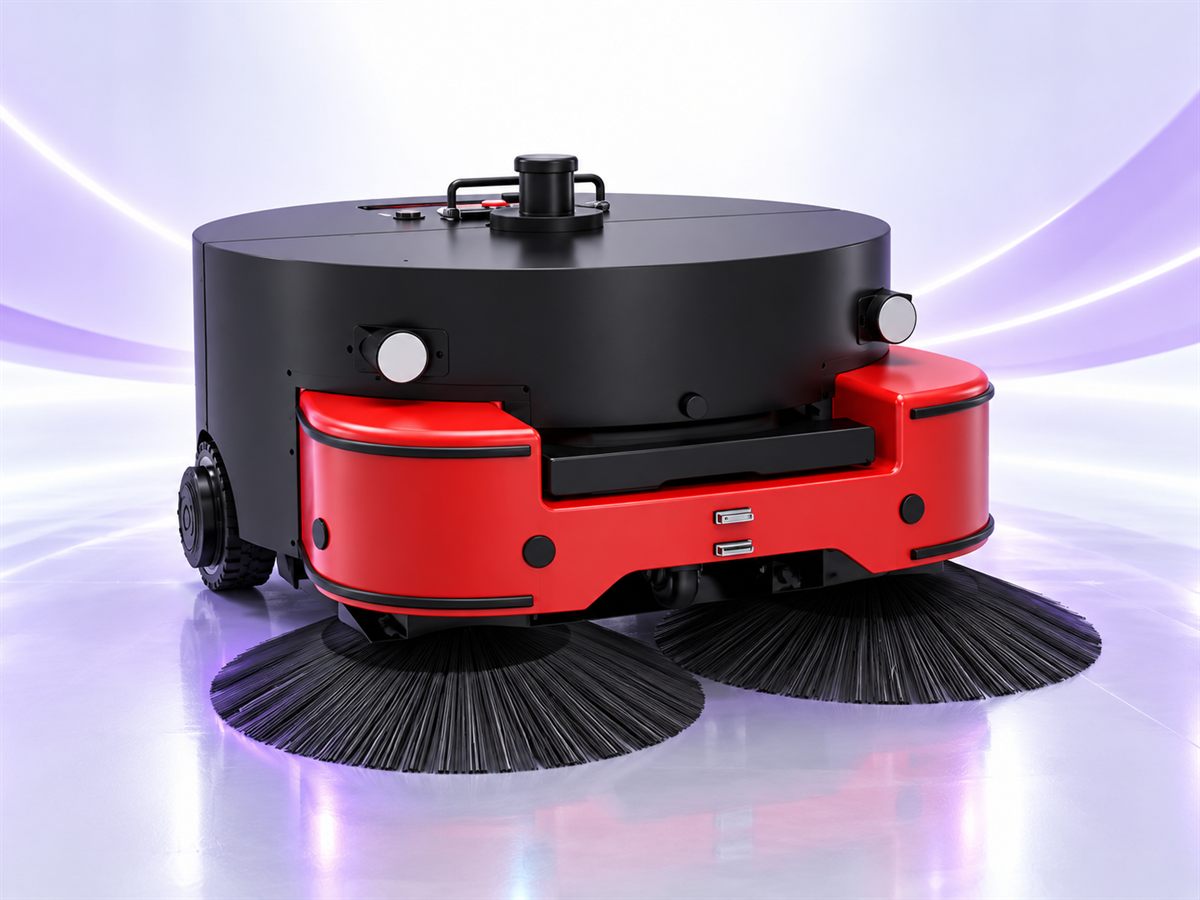
PURE SWEEP
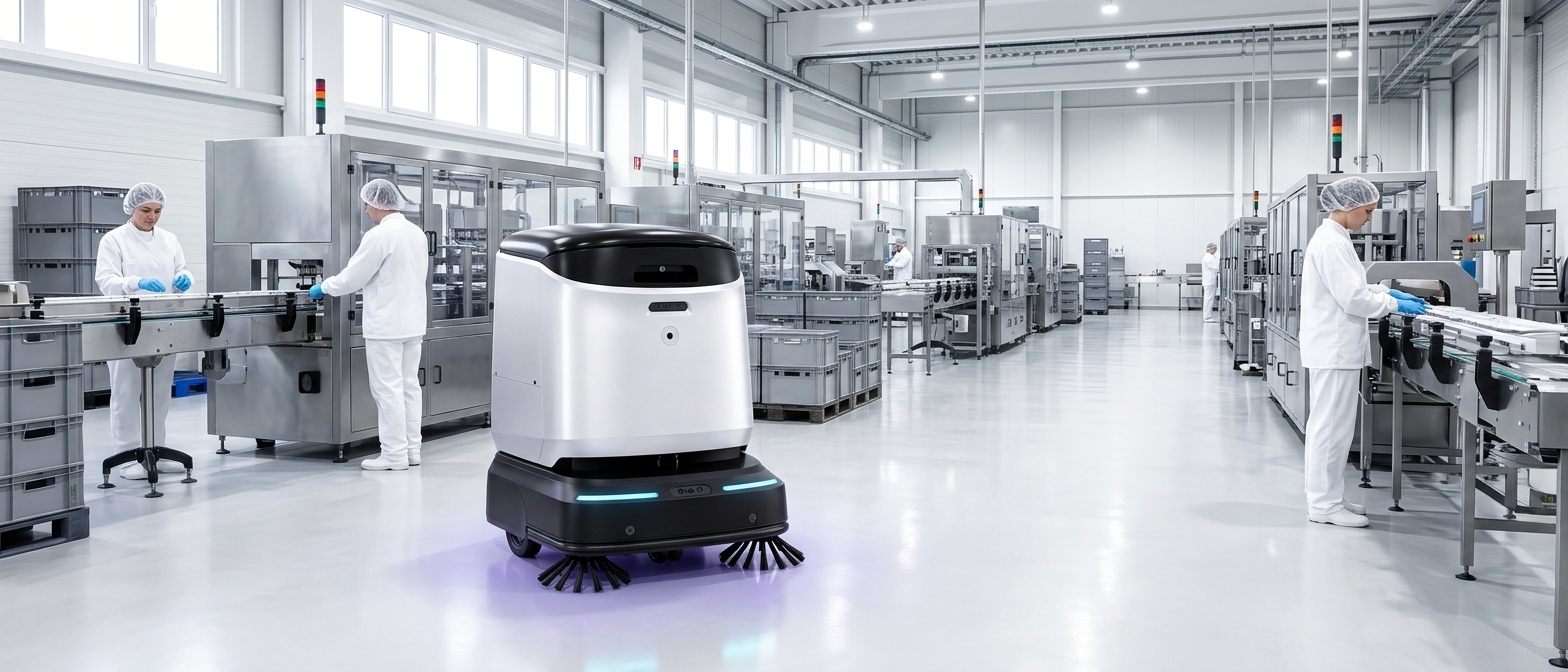
Dry sweeping of large open areas: 890 mm sweeping width, 30 L hopper.
Product pageA common case
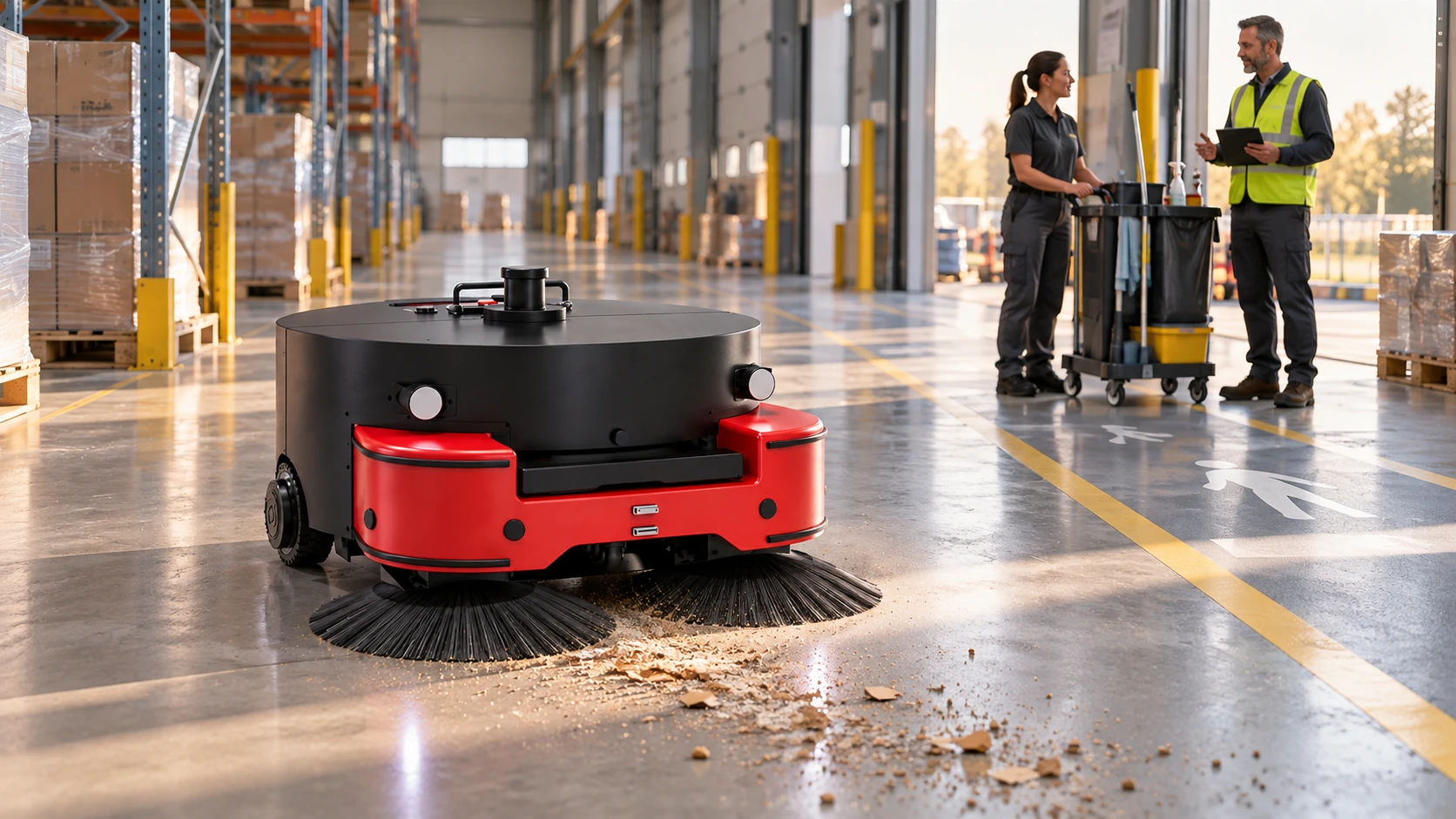
Picking up dry debris over large floors.
It is often the first scope assessed at an industrial or logistics client: long aisles, a hard floor, repeated passes.
What PURE SWEEP does
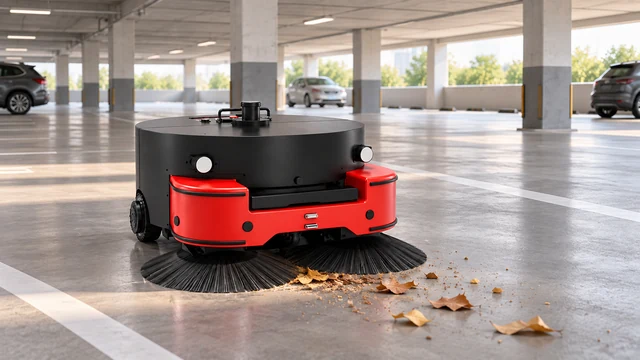
Dry sweeping over a width of 890 mm, with a 30 L hopper to empty. Its spec sheet is aimed at industrial and logistics environments.
PURE SWEEP product pageWhat it does not do
It does not wash, does not disinfect and does not handle liquids. Mechanical sweeping removes dry soiling, nothing more.
What determines whether it is worthwhile
Aisles genuinely clear at the planned times, a compatible type of debris, and a traffic plan that lets the machine through without getting in the way.
Start small
Start with a pilot site.
One well-chosen first site teaches more than a theoretical study of ten contracts.
Choose the site
Clear spaces, a consistent floor, available time slots and an end client open to the idea.
Involve the people
The site manager and the team who work there: without them, the machine never finds its place.
Observe
A period of observation with a stable scope, to see the work done and the adjustments needed.
Take stock
What works, what stays manual, what should change. Extending to other sites is decided afterwards, site by site.
A solution that suits one site does not transfer as it is to another: floors, clutter, hours and end-client expectations differ. Every new site gets its own assessment, and the pilot does not guarantee that the next ones will qualify.
Day to day
Planning ahead for daily operation.
It is these practical points, agreed in advance between you, your client and ÆNIX, that keep a machine in service.
To agree before deployment
- Access to the site and to the areas concerned
- The location and power supply of the charging point
- Where the machine is stored between passes
- Consumables and wear parts
- Routine upkeep: who does it, how often
- The contacts at the site, at the contractor and at ÆNIX
- Who is responsible for what if something goes wrong
- Continuity of service if the machine is unavailable
This page is about using robots in your own contracts. If you want to distribute or resell ÆNIX solutions, the partner programme is what you are looking for.
Which sites should you start with?
Those with large clear areas, a consistent floor, slots when the spaces are free, and an end client willing to take part. A very cluttered site, or one with tight hours, is not the best starting point, even if it costs the most in hours.
Does the robot replace every task in the contract?
No. It takes on repetitive routes over a defined scope. Finishing work, dense areas, washrooms, touch points and quality control are still done by your teams, as is the machine’s daily upkeep.
How do you involve the end client?
By involving them from the assessment onwards: access, the areas concerned, hours, the charging location and internal rules all concern them directly. A demonstration at their site is often the simplest way to make it concrete for them.
Can several sites be considered?
Yes, but site by site: each gets its own assessment, because floors, clutter and hours vary. We do not present any centralised fleet management function, because nothing in the machines’ documentation describes one.
Who handles the daily upkeep?
The routine steps — emptying a hopper, filling or draining water depending on the machine, checking brushes and filters — are done on site by the people agreed at deployment. Remote supervision and maintenance are handled by the ÆNIX technical team, according to the contract chosen.
Site assessment
Let’s take one of your client sites.
Describe the contract and the spaces concerned. We assess what could be automated, what will stay manual, and on what terms.
- Your company
- Site concerned
- Current contract
- Spaces targeted
- Floor type
- Hours
The assessment may conclude that a site is not suited to automation: eligibility is never granted in advance.
- Phone
- +33 5 33 04 12 27
- contact@aenix.fr
- Coverage
- Across France