

Gyms & sports facilitiesSports centres

Robotic cleaning in gyms: uses to be defined

A gym combines very different floors, equipment and visitor numbers. The project starts by identifying the suitable tasks and areas, then by fitting them into the upkeep carried out by your teams.

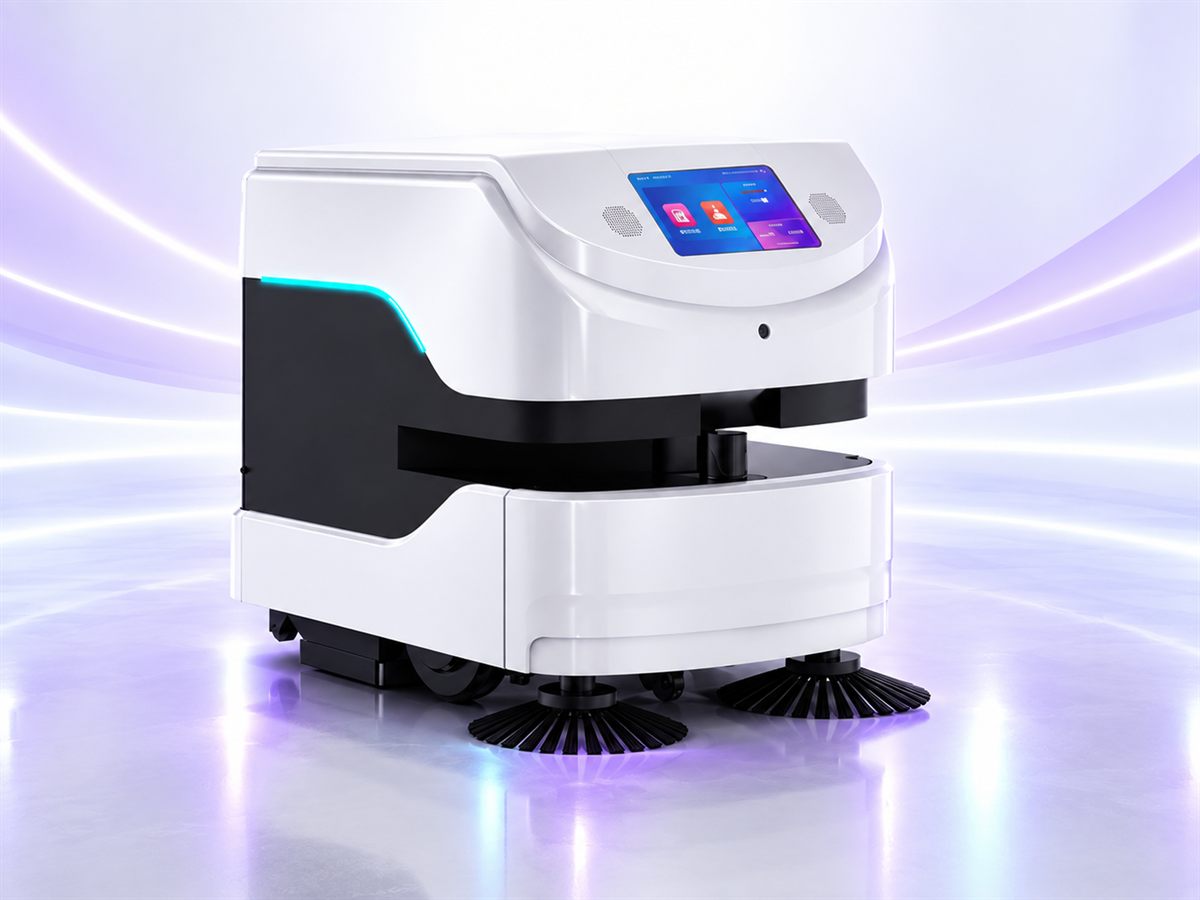
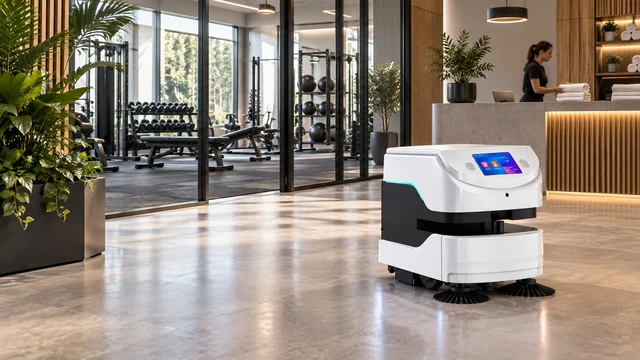
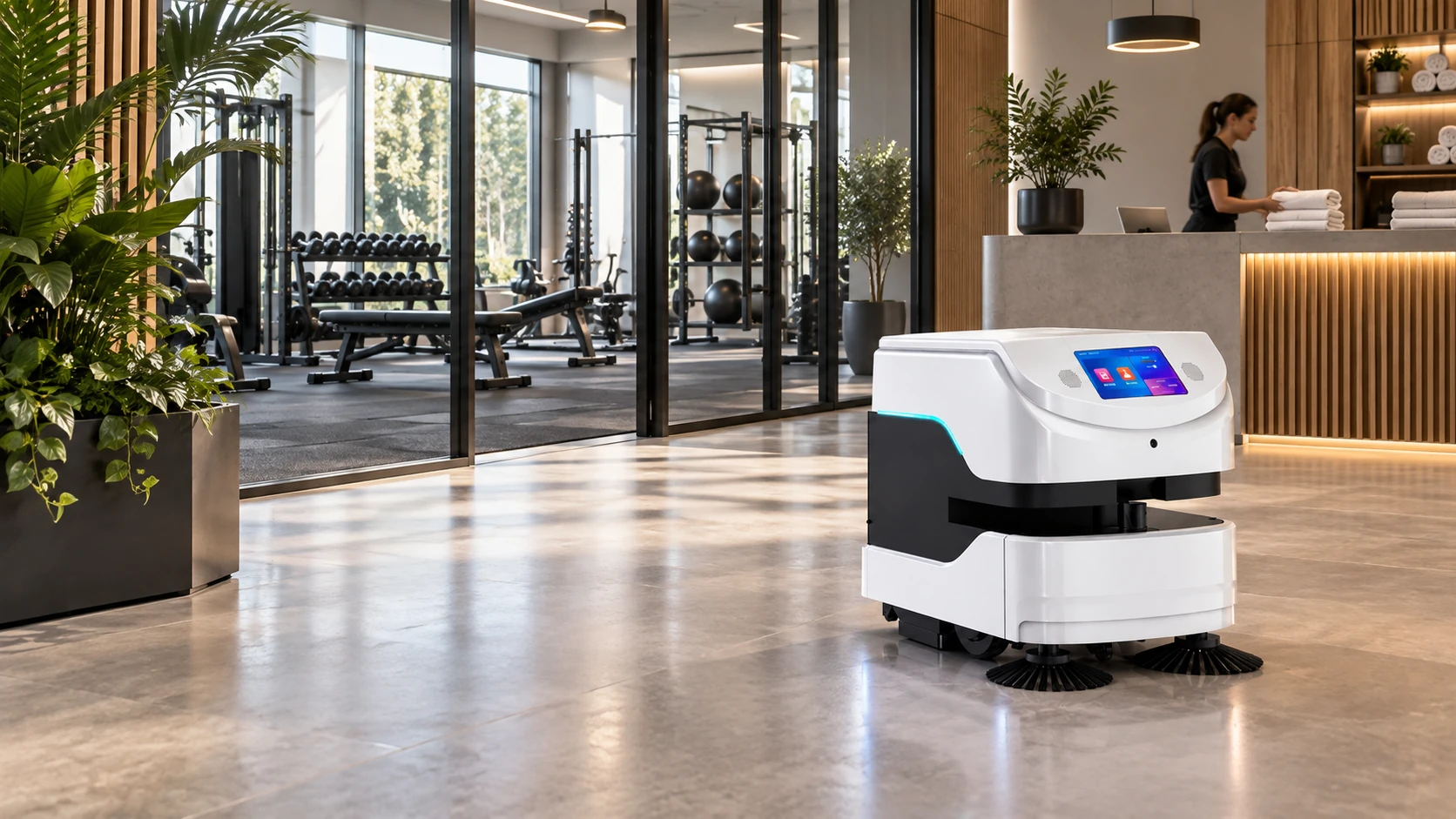
PURE ONE LITE robot in the reception area of a gym before opening time
Illustration only. The robot shown is a PURE ONE LITE, on the hard floor of the reception area before opening; the machines are in a separate area. The image does not show any existing facility.

Areas

Tell the areas apart before choosing.

Reception, gym floor, studios, changing rooms: each area raises a different question.

One question to check per area, and no compatibility tick: the answer comes from observing your facility.
AreaWhat characterises itThe question to check
Reception and circulation areasHard floors and constant traffic at peak times.Is the floor clear and uniform at the planned time slots?
Gym floorMachines, benches, weights and mats, often on a specific floor covering.Is the floor covering compatible, and can the floor be cleared?
StudiosEquipment taken out and put away at every session, a busy timetable.Is there a time slot between two classes when the studio is tidied?
Changing rooms and wet areasMoisture, showers, washrooms and hygiene protocols.Do these spaces call for a specific assessment or for manual cleaning?

Floor coverings

The floor covering matters as much as the floor area.

First identify the type of each floor and its manufacturer’s requirements: they determine the choice of machine.

Usual starting point

Hard floors in circulation areas

Tiles, polished concrete, vinyl: the assessment usually starts here, subject to the condition of the floor and its joints.

Compatibility not assumed

Rubber and shock-absorbing tiles

Their upkeep follows the floor manufacturer’s recommendations: nothing is assumed before it is checked.

Compatibility not assumed

Sports hardwood floors

Surface treatments, court markings and specific care requirements: to be checked case by case.

Out of scope by default

Mats and artificial turf

These floor coverings are not presented as compatible; they are still cared for using their own methods.

Specific assessment

Pool surrounds and wet areas

Constant moisture and slippery floors: these areas are not covered by this page.

To be recorded on site

Transitions between floors

Thresholds, threshold strips and changes of floor covering determine which routes are genuinely possible.

The scene at the top of the page shows the robot on the hard floor of the reception area; the machines are in another area, on a different floor covering.

The organisation

Take schedules and clutter into account.

In a gym, the state of the floor changes during the day: equipment moved, objects left lying around, classes one after another.

01

Identify the time slots

Before opening, between classes, after closing: the times when the selected areas are quiet.

02

Clear the floor

Dumbbells, mats, bottles, towels: anything left on the floor is put away before the pass.

03

Mark out the areas

The excluded areas — gym floor, changing rooms, pool surrounds — are defined and respected.

04

Check and adjust

The first passes are observed, then routes and schedules are adjusted.

These steps describe a method; they are neither a layout plan nor a validation of your facility.

The tasks

Keep the complementary tasks.

The robot maintains clear floors. Hygiene in a gym depends on many other tasks, which are part of how the facility is run.

What a robot can take on

  • Routine care of the selected hard floors
  • Regular passes in reception and circulation areas
  • Repeated routes at agreed time slots

What stays with the facility

  • Cleaning machines, benches and handles
  • Changing rooms, showers and washrooms
  • Mats and specific floor coverings
  • Finishing work, edges and corners
  • Hygiene protocols and their checks
  • Routine care of the machine, according to its manual

No disinfection is associated with the robot: it maintains floors, it does not replace your hygiene protocols.

One option

PURE ONE LITE, one option for the selected areas.

The model is chosen according to the selected areas and floors, not according to a picture.

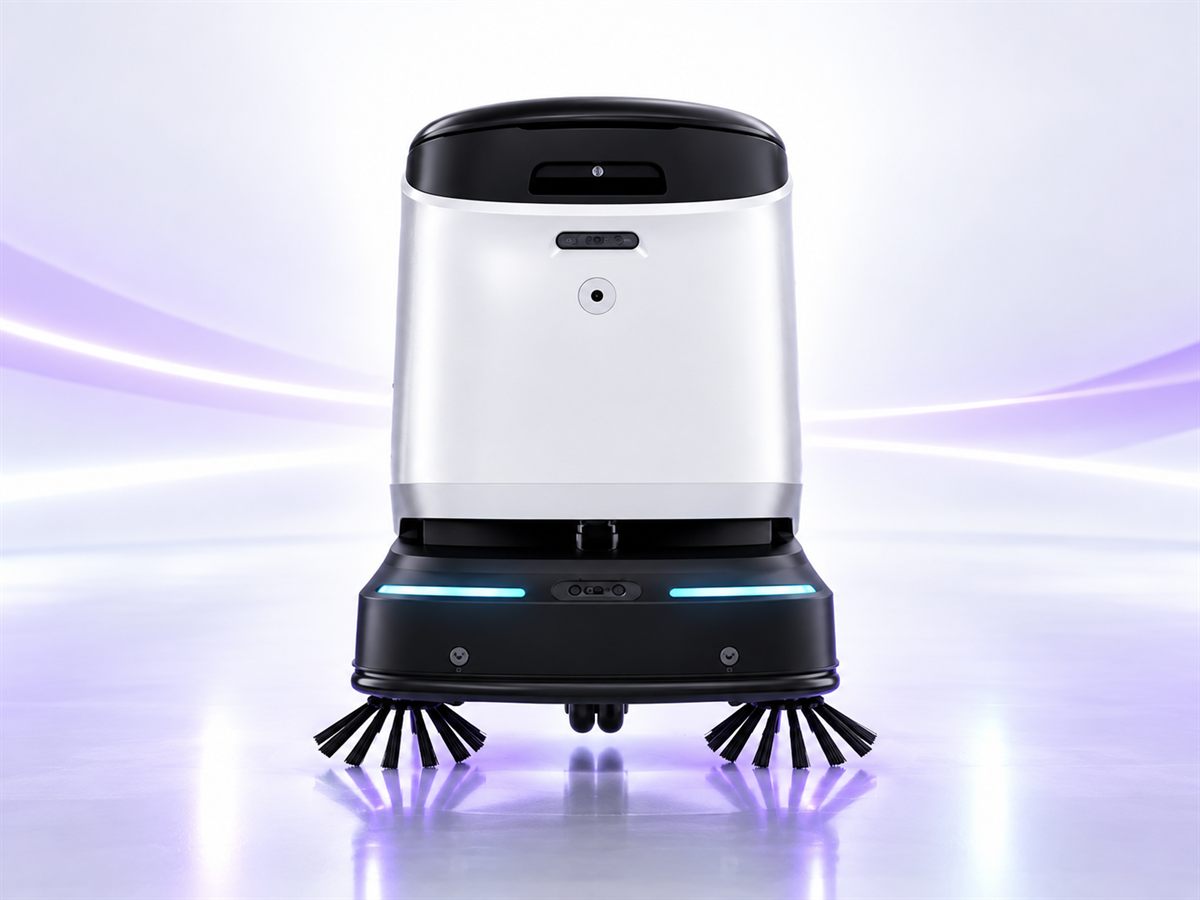
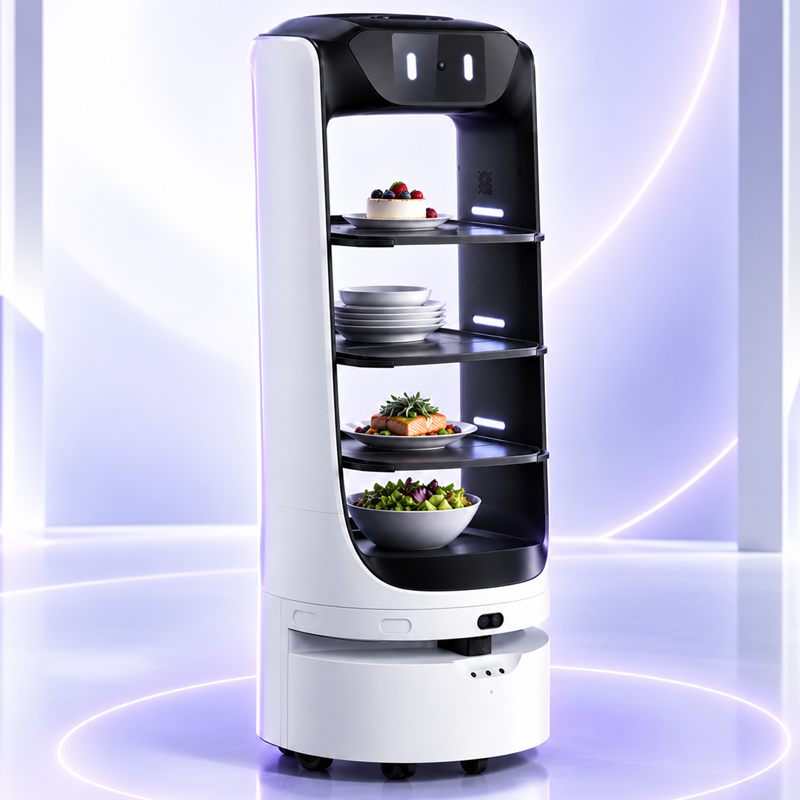
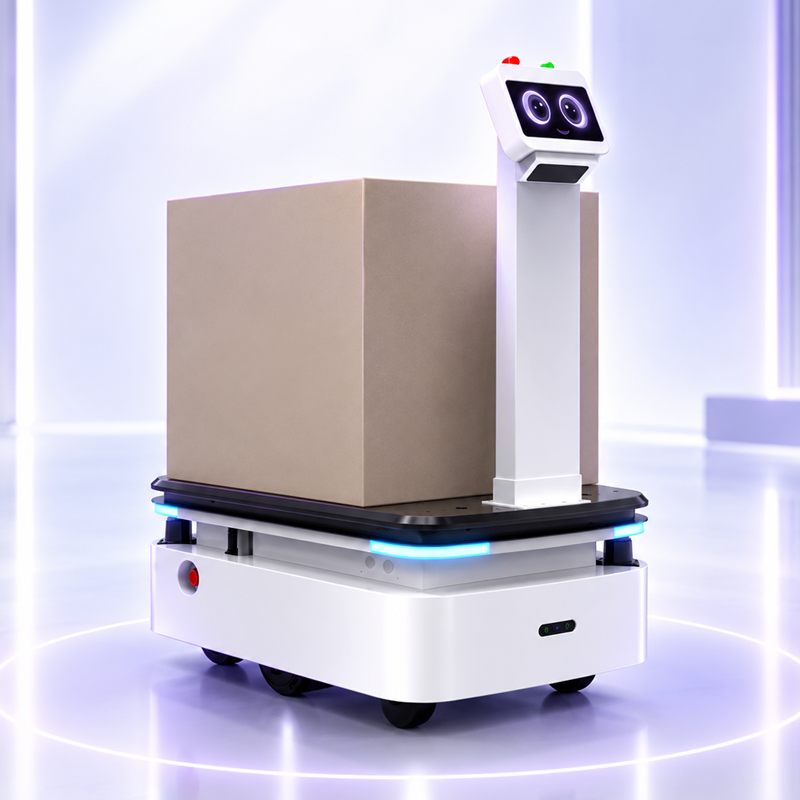
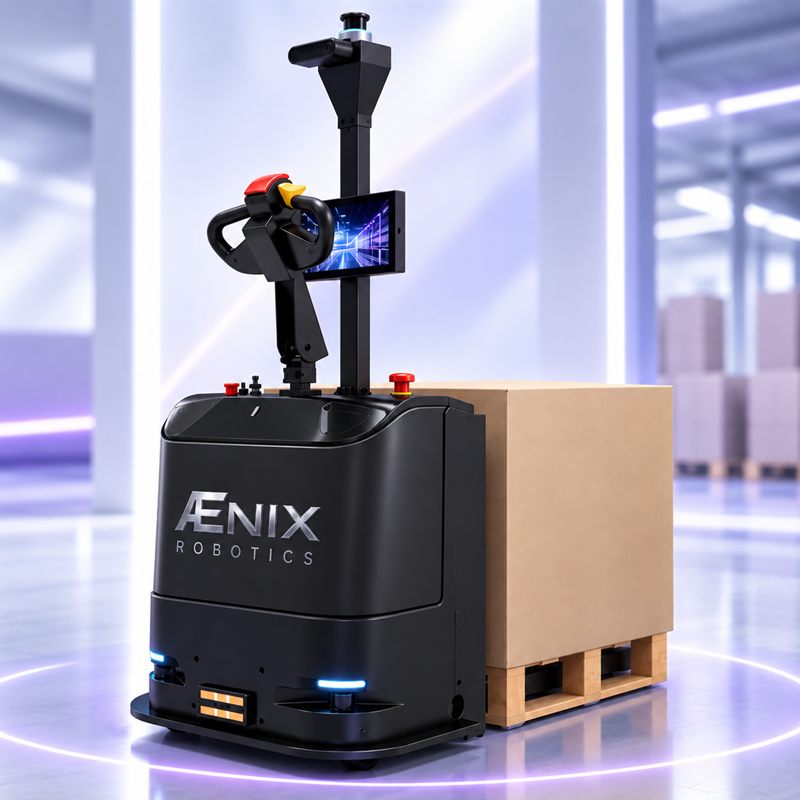
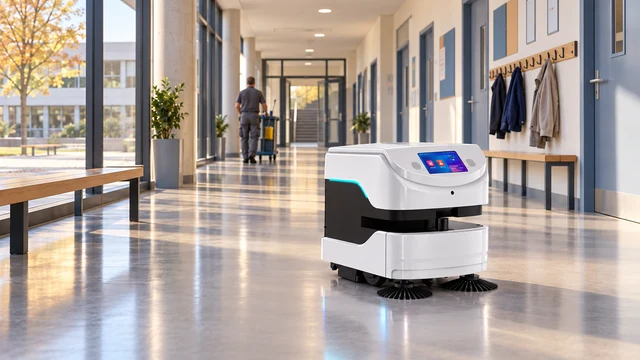
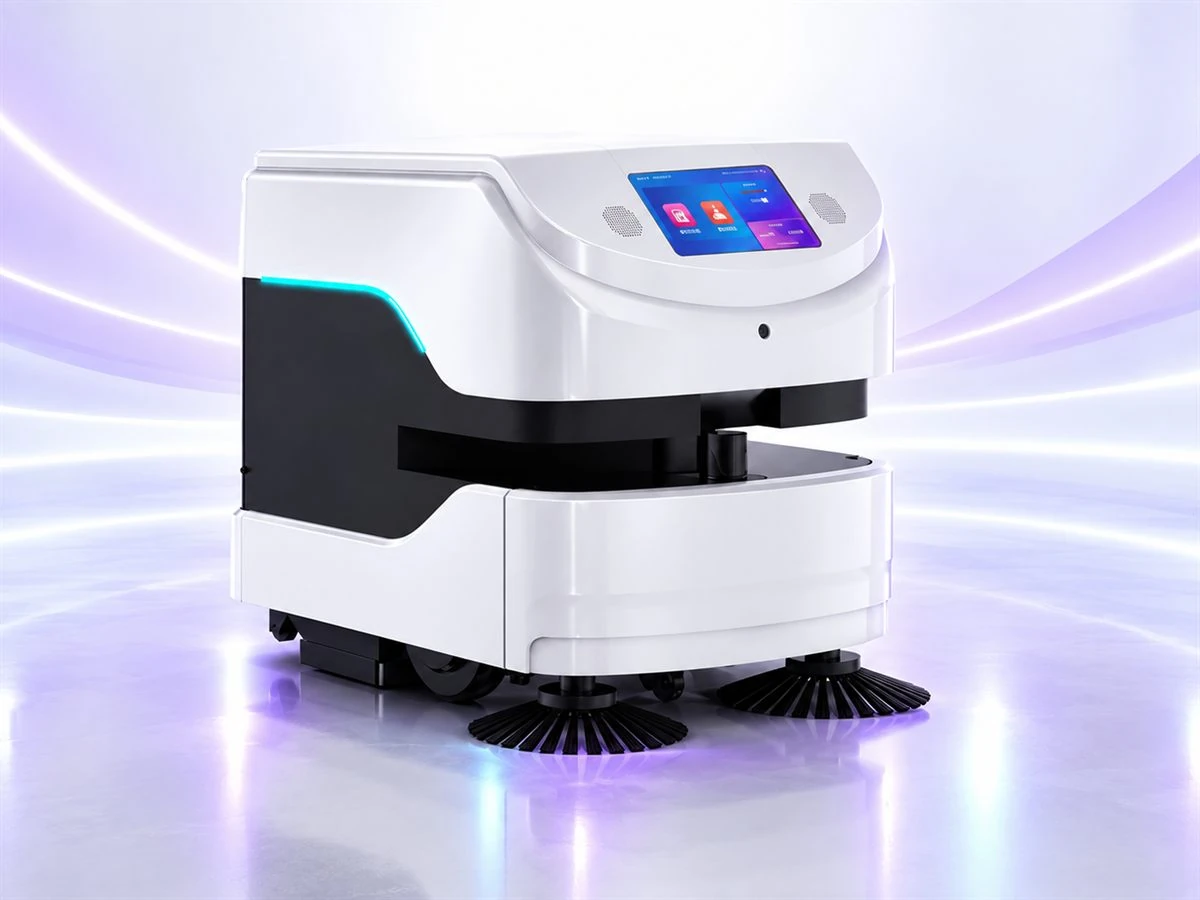
View of the ÆNIX PURE ONE LITE robot

ÆNIX PURE ONE LITE

A compact format for reception, circulation areas and mid-sized spaces, subject to the model’s documentation and an assessment of your floors.

Documented functions
Sweeping, vacuuming, wet washing
Documented minimum clearance
900 mm
Clean water
Tank filled by your teams
To be confirmed during the assessment
Floor coverings, areas and time slots

Information taken from ÆNIX product documentation. Depending on how your facility is laid out, other models in the range can be assessed.

The upkeep

Prepare and look after the solution.

A machine stays in service when its routine care is organised from the start.

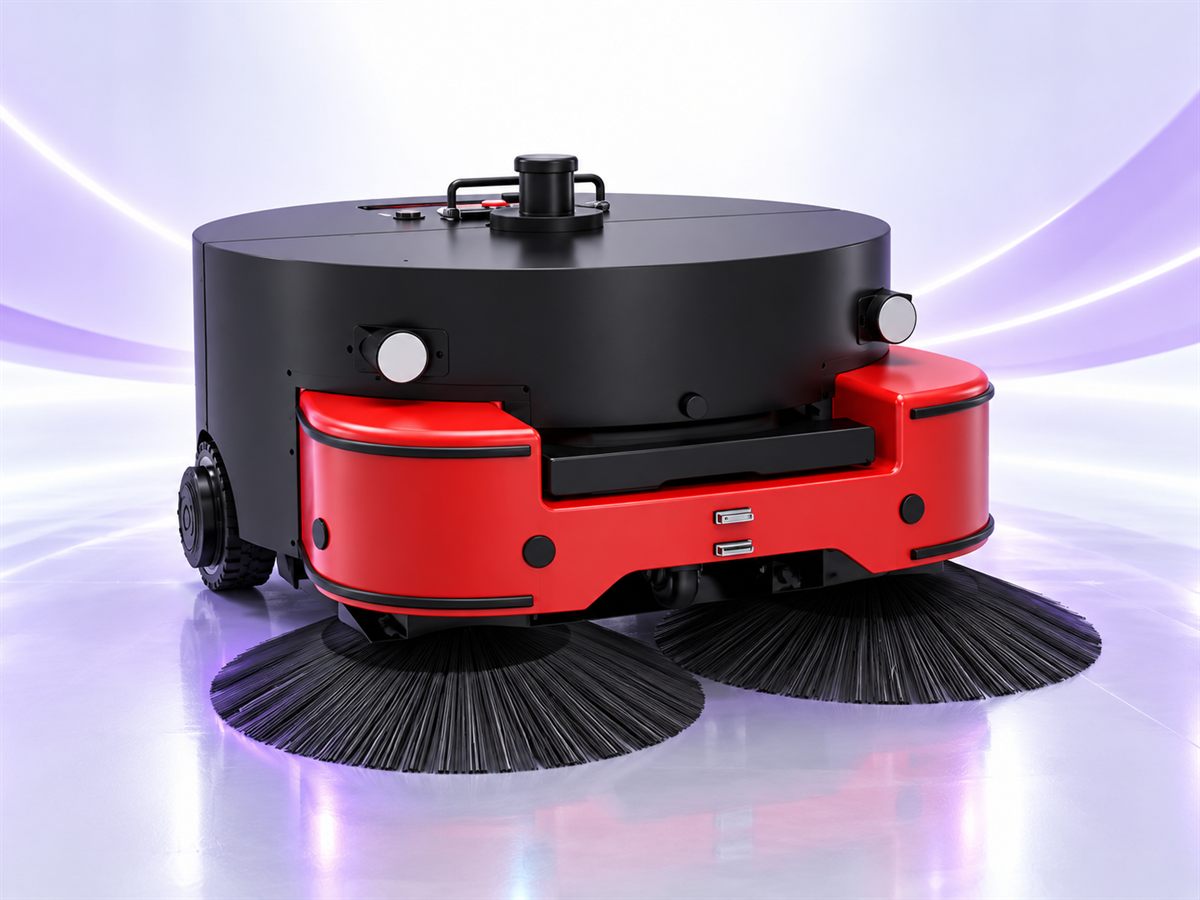
Illustration of the exterior of a PURE ONE robot being wiped down in a service room
Generic illustration. The robot shown is a PURE ONE, not a PURE ONE LITE. Care operations vary by model and are described in its manual.

To agree before commissioning

  • Who starts cycles and empties what needs emptying
  • Who fills the clean water tank, where the model has one
  • Where the machine is stored and charged
  • Who to contact with a question or an incident

Remote supervision and maintenance are handled by the ÆNIX technical team, under the chosen contract.

Deployment and follow-up

The demonstration

Define the criteria for a demonstration.

Before the trial, everyone agrees on what will be observed. Without that, a demonstration does not help you decide.

Demonstration criteria — to define before the trialFacility: _____________
Selected areaReception, circulation area, tidied studio.
Task observedSweeping, washing or routine floor care.
Visitor numbers during the trialBefore opening, between classes, after closing.
Staff time still neededPreparation, finishing work, care of the machine.
Expected resultDefined before the trial, checked after it.
No gain and no hygiene compliance are announced in advance: the demonstration is there to see, in your facility, what the machine does and what remains manual.

Frequently asked questions

What gyms ask us.

Another question? Write to us.

Are all sports floors suitable?

No, nothing suggests so. Rubber, sports hardwood, mats or artificial turf have their own care requirements, set by their manufacturer. The assessment usually starts with the hard floors of the reception and circulation areas.

Can the robot run during classes?

It depends on the area and how busy it is. A corridor that is quiet during a class may be suitable; an occupied studio is not. The time slots are defined during the assessment and checked during the demonstration.

Does the robot clean the equipment?

No. It maintains floors. Machines, benches, handles and mats are still cleaned by your teams, according to your protocols.

Which wet areas need a specific assessment?

Changing rooms, showers, washrooms and, where relevant, pool surrounds. They are not covered by this page: moisture, slippery floors and hygiene protocols call for a separate assessment.

How is a trial organised?

By choosing a representative area, a quiet time slot and a contact on site, then setting the observation criteria before the trial. Whether a demonstration is possible depends on your facility.

Assessing your gym

Let’s assess your sports facility.

Describe your floor coverings, the areas you have in mind, your hours and how cleaning is organised today. We assess what could be handed to a robot, and on what conditions.

  • Floor coverings
  • Areas considered
  • Hours
  • Footfall
  • Current set-up

The assessment may conclude that some areas are not suited to a robot: no compatibility is taken for granted.

Coverage
Across France